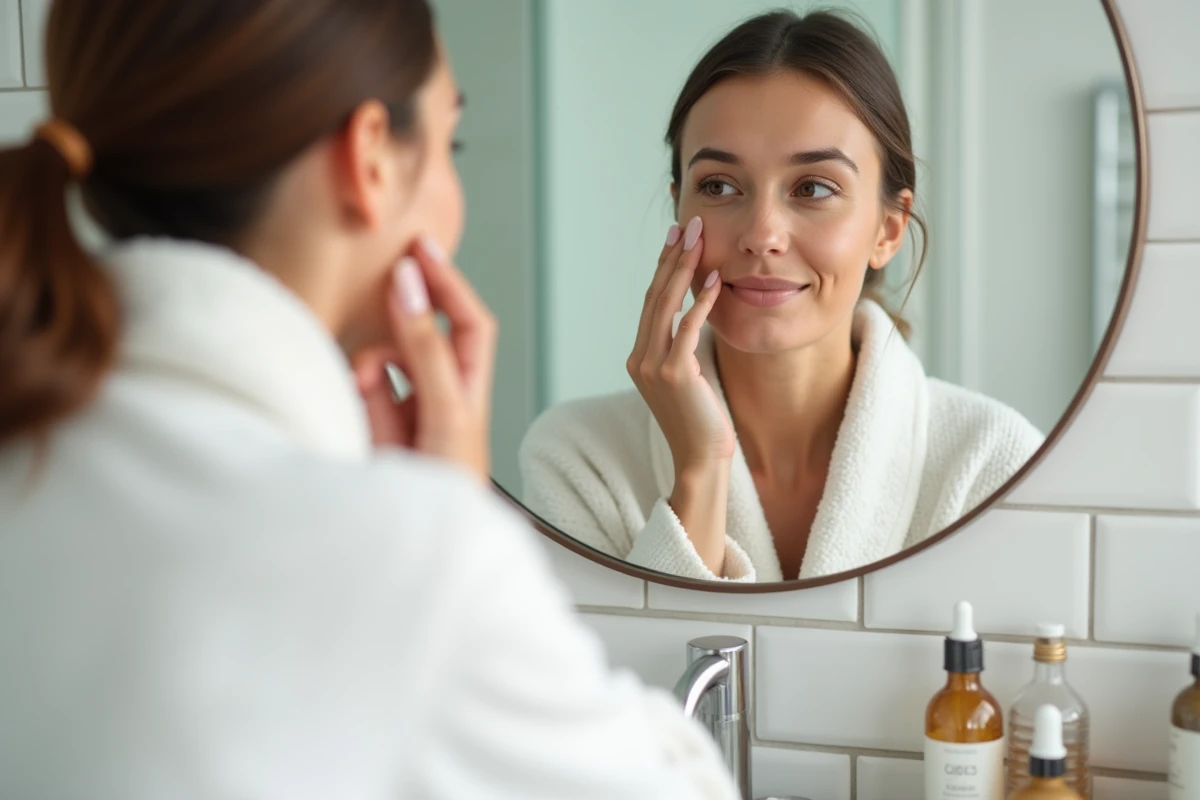
The facial and body care market has never offered so many references, textures, and concentrated active ingredients. This abundance leads many consumers to stack steps in their daily beauty routine, sometimes to the detriment of their skin.
Since 2023, the French Society of Dermatology and the British Association of Dermatologists have reported an increase in consultations for skin barrier impairments caused by the layering of actives, especially when retinol, exfoliating acids, and antioxidants are combined without caution. This observation invites a rethinking of the routine not as a stacking but as a sorting process.
Indoor Pollution and Skin: An Underestimated Factor in Facial Care
We often talk about outdoor pollution, urban fine particles, and nitrogen dioxide. Dermatological research conducted since 2023 broadens the scope: volatile organic compounds (VOCs), cooking fumes, and indoor fine particles also accelerate skin aging. Laboratories like NAOS/Bioderma have published exposure tests in environmental chambers that validate the effectiveness of certain anti-pollution lines against these domestic aggressions.
In practical terms, the first beauty gesture in the morning does not involve a cosmetic product but an air hygiene reflex. Ventilating the room for about ten minutes reduces the concentration of VOCs that settle on the face overnight. It’s a free, reproducible gesture, and its cumulative effect on skin quality is documented.
For those who want to complement this habit with targeted treatments, specialized e-shops like Beauty Boo allow filtering cosmetics by skin concern, making it easier to identify formulas tested against environmental aggressions.
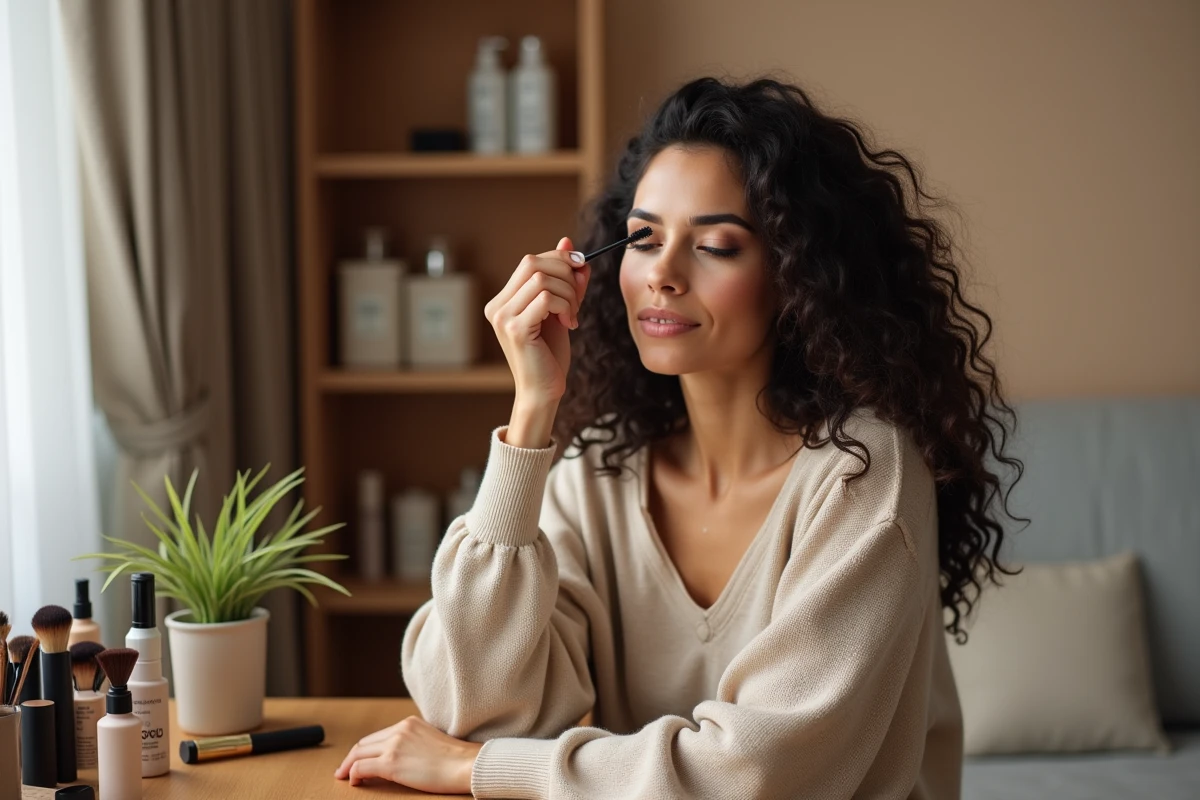
Simplified Beauty Routine: Why Reducing the Number of Products Protects the Skin
Skin cycling, popularized on social media, alternates retinol, chemical exfoliation, and rest phases over several days. The principle makes sense on paper. In practice, feedback from the field diverges on this point: if poorly calibrated, this protocol causes cumulative irritations that French hospital dermatologists have been observing more frequently since 2022.
The current clinical trend recommends limiting powerful actives to one or two per routine, no more. A vitamin C serum in the morning and a retinol treatment in the evening, for example, are sufficient in most cases. Adding glycolic acid on top weakens the hydrolipidic barrier without measurable additional benefits for skin without specific pathology.
Warning Signs of an Overloaded Routine
- Persistent tightness after morning and evening cleansing, even with a moisturizer suitable for skin type
- Localized redness on areas where actives are applied in successive layers (cheekbones, around the eyes)
- Appearance of small dry or scaly patches that no longer respond to usual treatments
If two or three of these signs coincide, the priority is not to change cream or serum but to remove one product from the routine for several weeks.
Contact Dermatitis and Cosmetics: The Role of Fragrances and Preservatives
French hospital dermatologists report a notable increase in contact dermatitis related to fragrances and preservatives in beauty products. The typical profile concerns individuals who multiply skincare steps on the face and body, thus accumulating exposure to allergens present in small doses in each product, but whose sum exceeds the tolerance threshold.
This phenomenon fuels a clinical movement in favor of “low-allergen” routines. Fragrance-free formulations, free from methylisothiazolinone and certain classic preservatives, are gaining ground in dermatological prescriptions.
Reading the INCI List Beyond Marketing
A product labeled “natural” or “clean” is not automatically less allergenic. Essential oils, common in natural cosmetics, contain recognized contact allergens (linalool, limonene, citronellol). The mention “fragrance-free” remains more reliable than “naturally derived fragrance” for reactive skin.
Checking the first five ingredients of the INCI list already gives a clear idea of the product’s dominant composition. The actives listed at the end of the formula are often present in negligible amounts.

Facial and Body Care: Adapting the Routine to Seasons and Daily Life
The skin has different needs in January and June. In winter, the skin barrier is put to the test by cold, wind, and indoor heating (which dries the air and increases VOCs). A richer cream and a cleanser without aggressive surfactants protect better than a sophisticated multi-step protocol.
In summer, daily sun protection remains the most documented anti-aging gesture in dermatological literature. No antioxidant serum compensates for unprotected UV exposure. Makeup with integrated SPF does not replace dedicated sunscreen: the amount applied is rarely sufficient to achieve the stated level of protection.
Hair and Scalp in the Daily Routine
The same principles of simplification apply to hair care. The accumulation of masks, serums, and thermal protection sprays can weigh down the hair fiber and irritate the scalp. A suitable shampoo and a conditioning aftercare cover the needs of most hair types on a daily basis.
- Space out washes according to scalp type (oily, dry, mixed) rather than following an arbitrary frequency
- Apply the hair mask once a week on lengths, not on roots
- Limit the heat of the hairdryer to preserve the natural keratin of the hair
The most effective beauty routine is not the longest or the most expensive. It is the one that respects the individual tolerance of the skin and scalp, with products whose composition is clear and whose actives are compatible with each other. When the skin reacts well with three products, there is rarely a good reason to add a fourth.