
Choosing a travel destination this year is no longer just about flipping through a catalog of photogenic beaches. Access rules are changing, some cities are limiting their visitors, and the climate is reshaping calendars. Before booking, it’s better to understand what has changed to avoid unpleasant surprises once on site.
How to choose a travel destination adapted to new constraints
Have you noticed that some places that were once easily accessible now require additional formalities? The European Entry/Exit System is gradually replacing passport stamps with biometric data registration. Travelers from the UK, the US, Canada, or Australia will also need to obtain a European travel authorization.
These changes are not limited to Europe. Several destinations around the world are starting to concretely limit the number of visitors to protect their sites. As a result, it is no longer enough to choose a dream country. You need to check access conditions, possible quotas, and local taxes that add to the ticket price.
To compare options and find itineraries that take these realities into account, specialized platforms like the 1001 Découvertes website allow you to explore various options, from beach holidays to cultural circuits.
Destinations in Europe: off-season timing and alternatives to crowded places
Repeated heat episodes are changing the game for summer vacations in the Mediterranean. Temperatures make some visits uncomfortable in July-August, and the overcrowding of sites made viral by social media exacerbates the situation.
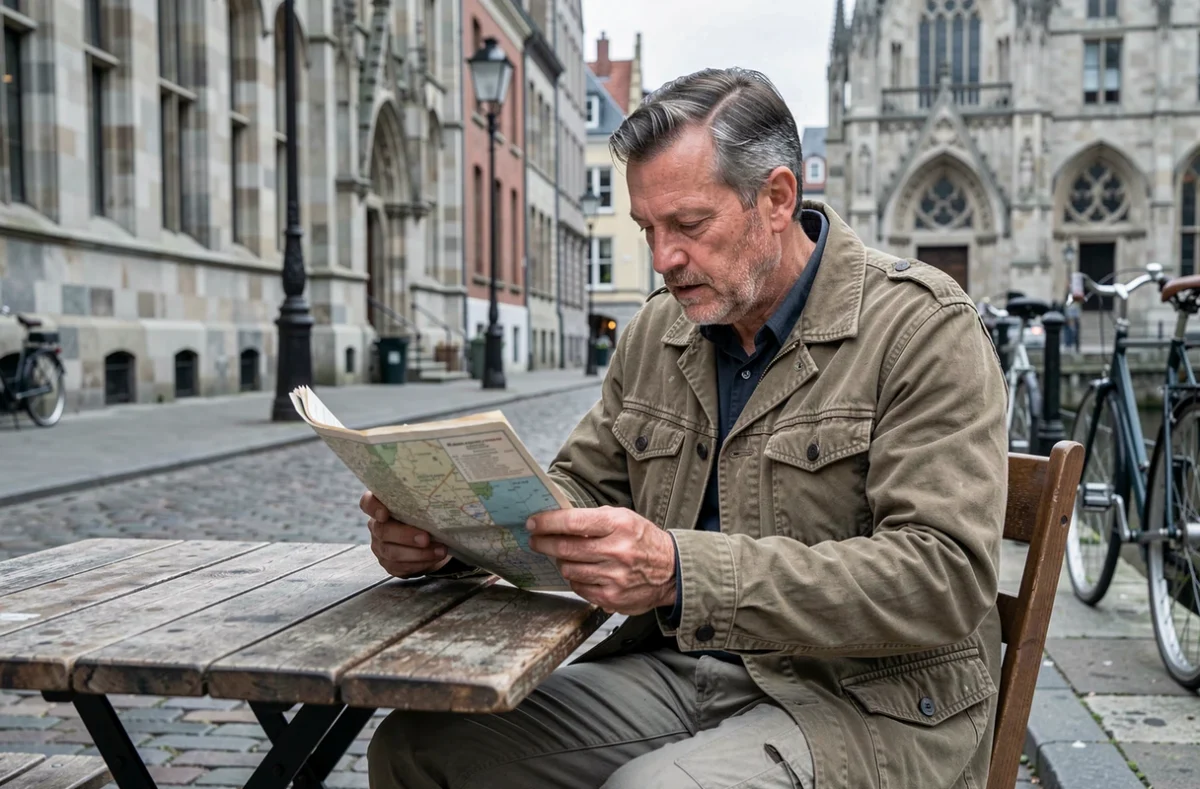
Traveling in the off-season is becoming a strategy in its own right. Visiting Greece in May or October, for example, allows you to enjoy equally bright landscapes without the crowds or the heatwave. The Croatian islands, the Portuguese coasts, or Sardinia offer the same logic of seasonal timing.
For families with children, this timing poses an obvious constraint: school holidays. Here are a few tips to work around the issue:
- Favor northern European destinations (Scandinavia, Scotland, the Baltic States) during the summer, where temperatures remain pleasant and attendance is moderate.
- Explore less publicized regions of the south, such as the Sicilian hinterland or the villages of inland Algarve, rather than the crowded coastal spots.
- Opt for stays in the mountains (Dolomites, Pyrenees, Slovenian Alps) that combine landscapes, hiking, and relative coolness.
Far-flung destinations: beyond the classics, what changes the stay
Lists of countries to visit still mention Japan, Namibia, Peru, or Mexico. These are remarkable destinations, but the choice deserves to go beyond the name of the country.
The real cost of a trip depends on destination-specific taxes. Some cities or regions now impose high tourist taxes, sometimes daily, which can represent a significant budget item on a two-week stay. Checking this point before booking avoids unpleasant surprises.
Another factor to consider: the visibility of a destination is increasingly shaped by algorithms and artificial intelligence. A place can go viral in a few weeks, causing a sudden influx of travelers to infrastructures that are not equipped to accommodate them. Destinations recently popularized on social media are often the least prepared to absorb a peak in attendance.
Three concrete criteria to filter your options
Rather than choosing a country based on a photo, apply a simple grid:
- Check updated entry conditions (visa, electronic authorization, biometrics) directly on the Ministry of Foreign Affairs website, not on a travel blog.
- Compare the overall budget including local taxes, the cost of living on site, and mandatory insurance, not just the flight price.
- Consult the average weather over the last five years for your travel period, not that of ten years ago. Weather conditions are changing.
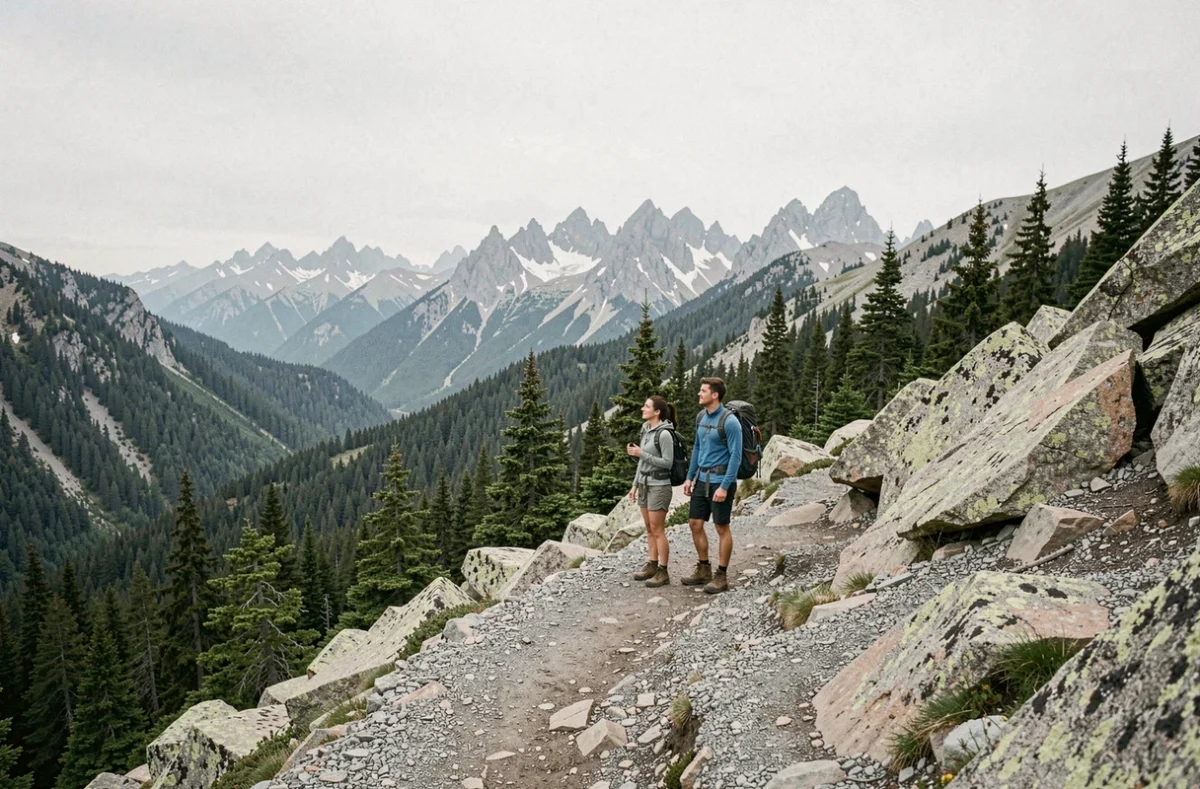
Safety and logistics: points that destination lists overlook
The safety of a country is not limited to its overall rating on a government website. It varies significantly from region to region, from season to season. A country classified as “safe” may have areas that are not recommended, and vice versa.
For travelers with families or in groups, local logistics often make the difference between a memorable stay and a hassle. Research local transportation before choosing your itinerary. A beautiful country without a reliable transportation network between points of interest turns every move into an expedition.
Connectivity also plays a practical role: access to offline maps, the possibility of purchasing a local SIM card, network coverage in rural areas. These details, rarely mentioned in inspirational articles, significantly affect the daily experience.
Unforgettable travel: what really matters in choosing a destination
An unforgettable trip does not depend on the prestige of the country visited. It depends on the alignment between your expectations, your budget, and the reality on the ground. A well-calibrated stay in a less “Instagrammable” country will leave a better memory than a frustrating week in a crowded postcard location.
The new constraints (quotas, taxes, biometric formalities, changing climate) are not obstacles. They are useful filters that guide you towards better-prepared, less saturated, and often more authentic destinations. The best trip is the one you have chosen with full knowledge of the facts, not the one that an algorithm made popular the previous week.