The French fashion market is going through a period of tension between the rapid renewal of collections and environmental awareness. Shopping habits are evolving, driven by the rise of second-hand items, stricter regulations on ecological claims, and a growing focus on the sustainability of clothing. Elevating one’s style on a daily basis is no longer just about following trends: it involves rethinking purchases, materials, and the maintenance of one’s wardrobe.
Second-hand and daily style: what recent figures say
The purchase of second-hand clothing is gaining ground in France. According to a study published by Refashion in 2026, the market for second-hand clothing, shoes, and home textiles grew in 2025 by 5% in volume and 6% in value. This growth confirms a fundamental movement, but it calls for nuance.
Refashion specifies that the environmental benefit depends on one condition: that the second-hand purchase actually replaces a new purchase, rather than adding to it. Field reports diverge on this point. For some buyer profiles, second-hand works as a complement to the wardrobe, not as a substitute.
An experiment conducted by ACLC between December 2024 and September 2025 with 94 participants highlighted a frequently underestimated barrier: trust now takes precedence over price in the decision to buy second-hand. The condition of the product, its presentation, and the guarantees offered weigh more heavily than the simple savings made. To integrate second-hand into one’s style without unpleasant surprises, it is better to prioritize platforms that offer quality control or clear return policies.
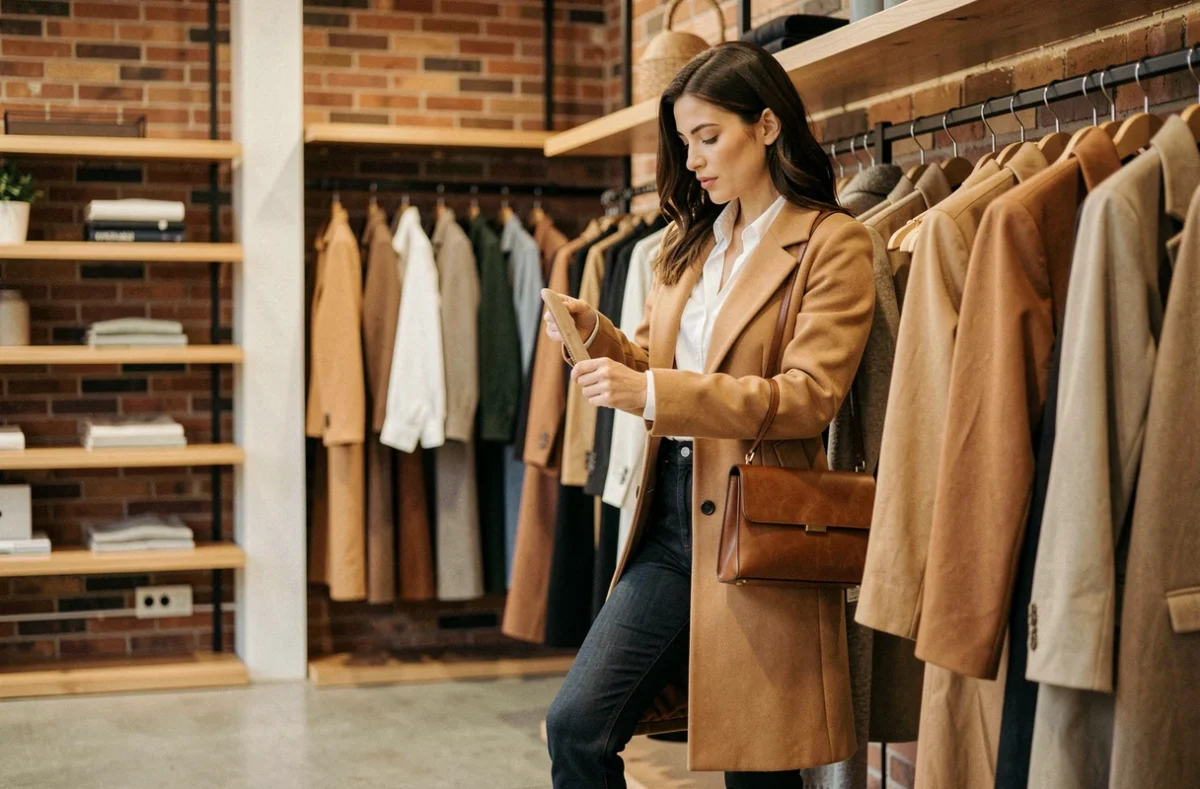
Alongside these developments, shopping on Belle et Élégante allows exploration of fashion selections that combine current pieces and sustainable inspirations, a good starting point for refining clothing choices.
Textile repair: a lever for wardrobe longevity
Even before discussing recycling, repair is emerging as a priority in the textile sector. Developments in the REP (extended producer responsibility) sector are steering commercial practices towards reuse and refurbishment.
The Réparables, a specialized organization, indicates that they handle between 25,000 and 30,000 items per year, with an announced irreparability rate of only 1 to 2%. This figure raises questions: a large majority of damaged clothing could find a second life with appropriate alterations.
For daily style, this changes the game on several fronts:
- A worn leather item, a missing button, or a loose seam no longer justifies replacing the entire piece. A targeted repair often costs less than a new purchase.
- ACLC recommends better informing consumers about local repairers and developing accessible repair workshops.
- Maintaining clothing (washing at low temperatures, air drying, quick stain removal) prolongs their lifespan and preserves the integrity of materials like cotton or wool.
Elevating one’s style also involves the longevity of the pieces already owned. A well-maintained garment retains its shape and colors, two determining factors for a polished look.
Environmental claims of brands: what changes in 2026
A decree published in the Official Journal on September 9, 2025, stipulates that starting from October 1, 2026, textile companies will have to justify their environmental promises as soon as they exceed certain communication thresholds. This measure aims to regulate mentions like “eco-responsible,” “sustainable,” or “green” that appear on labels and e-commerce sites.
For buyers, this regulatory evolution has a direct consequence: brands that display ecological commitments without tangible proof will gradually be exposed. The available data does not yet allow for measuring the concrete impact of this decree on commercial practices, as its implementation has only just begun.
However, this framework encourages adopting a simple reflex while shopping: check if a brand provides precise information about the composition of its products, their place of manufacture, and the certifications obtained. A garment whose label details the material, weight, and origin offers more guarantees than a product accompanied by a vague self-proclaimed label.
Body shape, colors, and materials: criteria that withstand trends
Seasonal trends change, but certain style principles remain stable from year to year. Three criteria deserve particular attention when choosing a piece.
Adapting the cut to one’s silhouette
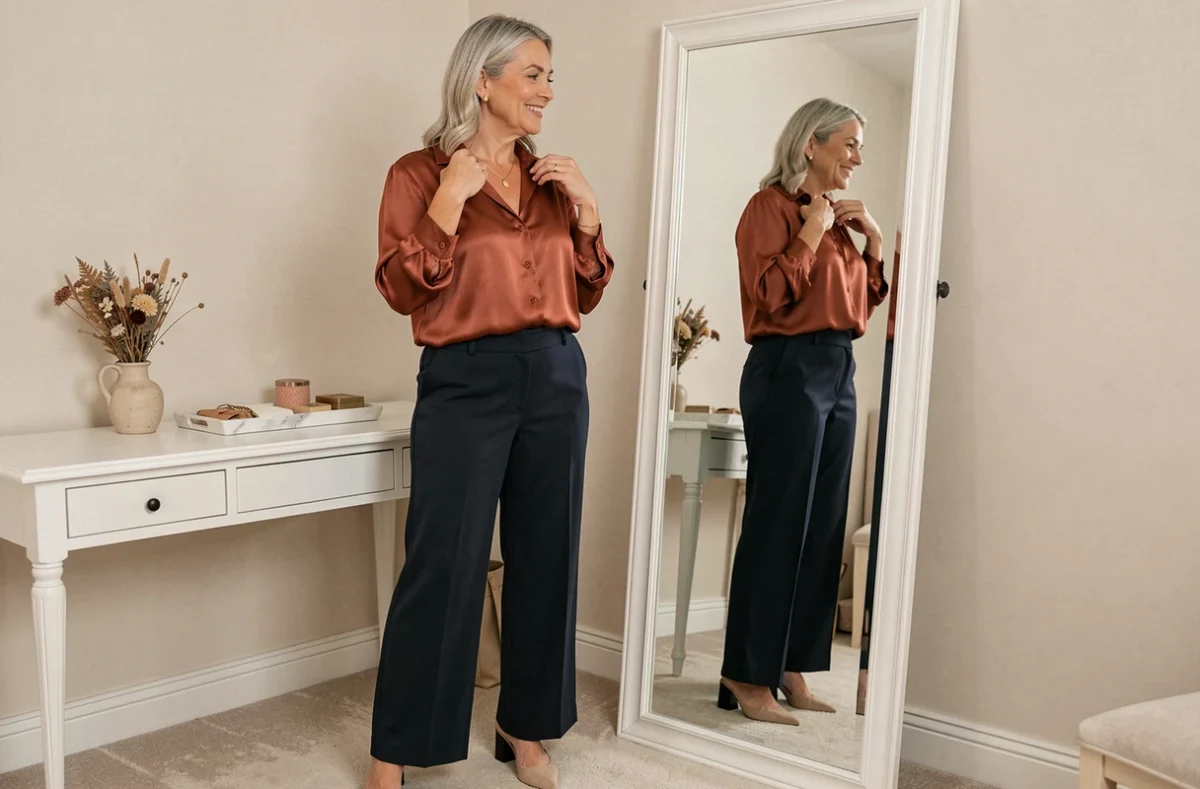
A well-cut dress or pair of pants for one’s body shape yields a more polished result than a trendy piece that is poorly fitted. The cut takes precedence over the brand. Testing garments in motion (sitting, raising arms, walking) allows for spotting comfort flaws before purchase.
Building a coherent color palette
An organized wardrobe around three to four base shades makes daily combinations easier. Neutral colors (navy, beige, gray, black) serve as a foundation. One or two accent colors, chosen according to personal preferences and skin tone, are enough to personalize each outfit without multiplying purchases.
Favoring materials that age well
Leather, wool, linen, and thick cotton gain character over time, provided they are maintained. Natural materials retain their shape better than fine synthetic fibers, which tend to pill or deform after a few washes. This criterion weighs heavily in the long-term satisfaction of a clothing purchase.
Crossing these three parameters (body shape, colors, materials) while shopping significantly reduces the number of unused pieces in the wardrobe. Daily style relies less on the quantity of purchases than on the relevance of each piece in relation to what one actually wears.