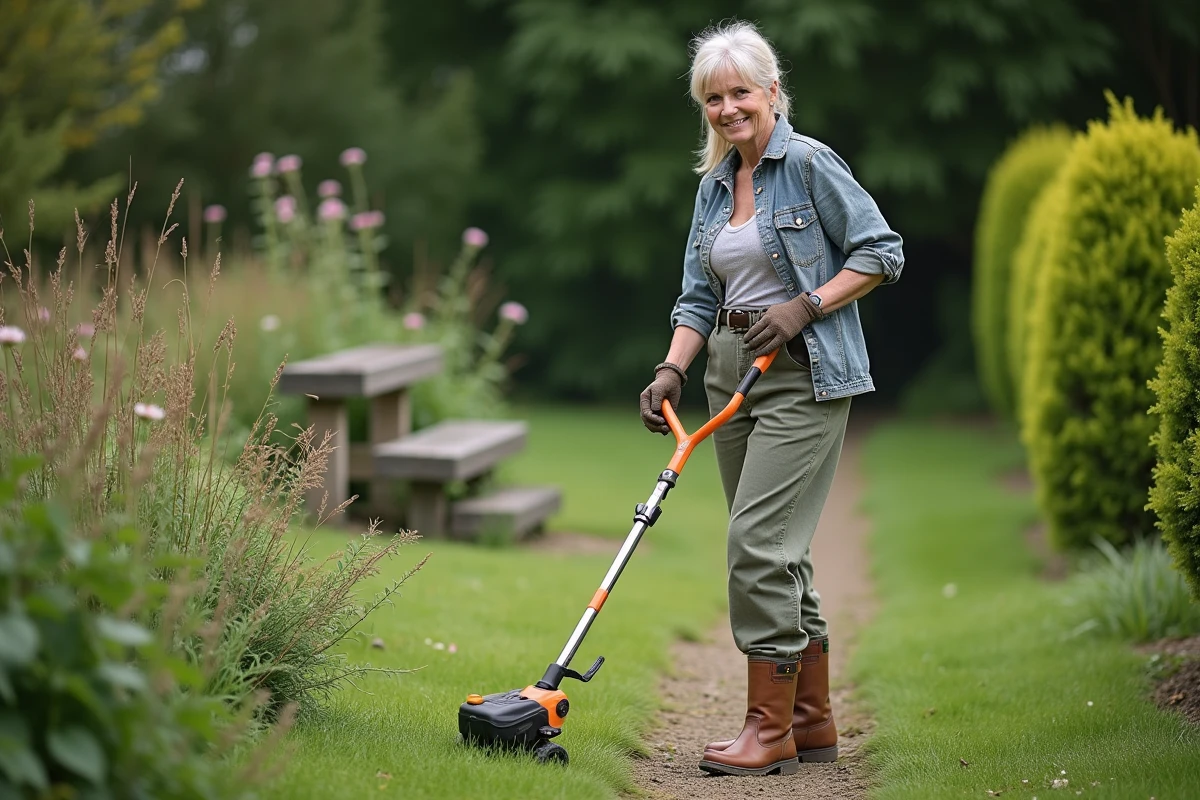
A lightweight model does not always offer superior maneuverability. Some gasoline engines display high power without guaranteeing a consistent cut in dense vegetation. Price differences do not systematically reflect the durability or reliability of the device.
The criteria to prioritize vary depending on the terrain configuration, frequency of use, or type of vegetation to be managed. Lesser-known options, such as interchangeable heads or anti-vibration systems, significantly alter the maintenance experience. Professional recommendations do not always align with individual preferences.
Understanding the different types of brush cutters for a well-maintained garden
Selecting a brush cutter is never just about the numbers on the technical sheet. First, you need to consider the terrain: flat or uneven, large or small, dense or open. To tackle tall grasses, thick brambles, or simply overgrown areas, the gasoline brush cutter is essential. It combines power, autonomy, and robustness, making it ideal for large areas or regions where vegetation does not yield easily.
Conversely, for small gardens or finishing touches, the electric brush cutter stands out for its quietness and maneuverability. Little noise, lightweight, but its limitations become apparent as the vegetation becomes tougher.
The battery brush cutter carves its niche between the two worlds: mobile, silent, perfectly suited for medium-sized terrains or hard-to-reach corners without sacrificing efficiency on softer grasses. For long sessions or slopes, the backpack brush cutter distributes the weight and protects the shoulders. As for wheeled or towed models, they excel on large flat plots, where cutting width takes precedence over maneuverability.
Each device meets a specific need. A string trimmer, also known as a weed eater, excels at finishing touches but cannot compete with a true brush cutter against compact vegetation. To compare models, their strengths and limitations, https://www.debroussailleuse-warrior.com (Comparison of the best brush cutters of 2026) provides a comprehensive overview, enriched with user feedback and technical analyses. Finally, using a lawn mower and a brush cutter complementarily helps keep a garden impeccable down to the last corner.
What criteria should you prioritize to choose the right device for your needs?
Before you start, carefully observe the terrain and identify the type of vegetation to maintain. The area, the frequency of interventions, the presence of brambles or simple grasses directly influence the choice of tool. On a wild plot, opting for the power of a gasoline engine often proves wise. In a well-maintained garden, the lightness of a battery or electric model makes the task easier and spares the neighbors’ ears.
To guide you in your selection, here are the main criteria to consider:
- Cutting head: nylon line is sufficient for fine grasses. For brambles or small shrubs, a blade (from 2 to 40 teeth, or even a circular saw) is more suitable. The grass knife is effective as soon as the vegetation offers some resistance.
- Ergonomics: An adjustable handlebar refines the precision of the gesture. A well-fitted harness distributes the weight and prevents pain during prolonged work.
- Safety: Never skimp on personal protective equipment (PPE): goggles, gloves, helmet, covering clothing. The guard protects both the user and the mechanics.
- Adaptation to the terrain: On a slope or in underbrush, the backpack brush cutter makes work easier. In a large plain, opt for a wheeled model to limit fatigue.
In certain areas, the law requires regular brush clearing, especially to prevent fires. The owner must then ensure maintenance, under penalty of sanctions. A detail not to be overlooked when choosing equipment.

Recommended models and brands for effective and worry-free maintenance
On the ground, the gasoline brush cutter remains the benchmark for tackling stubborn undergrowth, large areas, or clingy brambles. Its autonomy and power appeal to owners of demanding terrains, especially when it comes to working for long periods or on slopes. Harnessed or backpack versions offer more comfort for extended tasks.
For medium-sized gardens, the battery brush cutter is gaining ground. Lighter, easy to handle, quiet, and emission-free, it supports regular maintenance work. Models equipped with interchangeable heads allow switching from line to blade to adapt to each situation.
Some needs require a different approach. For areas inaccessible to a lawn mower, underbrush, or very large lawns, the wheeled brush cutter or self-propelled model makes work easier, while the string trimmer finishes the edges and flower beds.
After brush clearing, the garden shredder enters the ecological approach. It transforms waste into compost or mulch, reducing trips to the dump. The final choice depends on the terrain, vegetation density, frequency of use, not to mention user comfort and safety. Well-equipped, the gardener can let nature take shape again, without compromising on efficiency or the pleasure of the task.