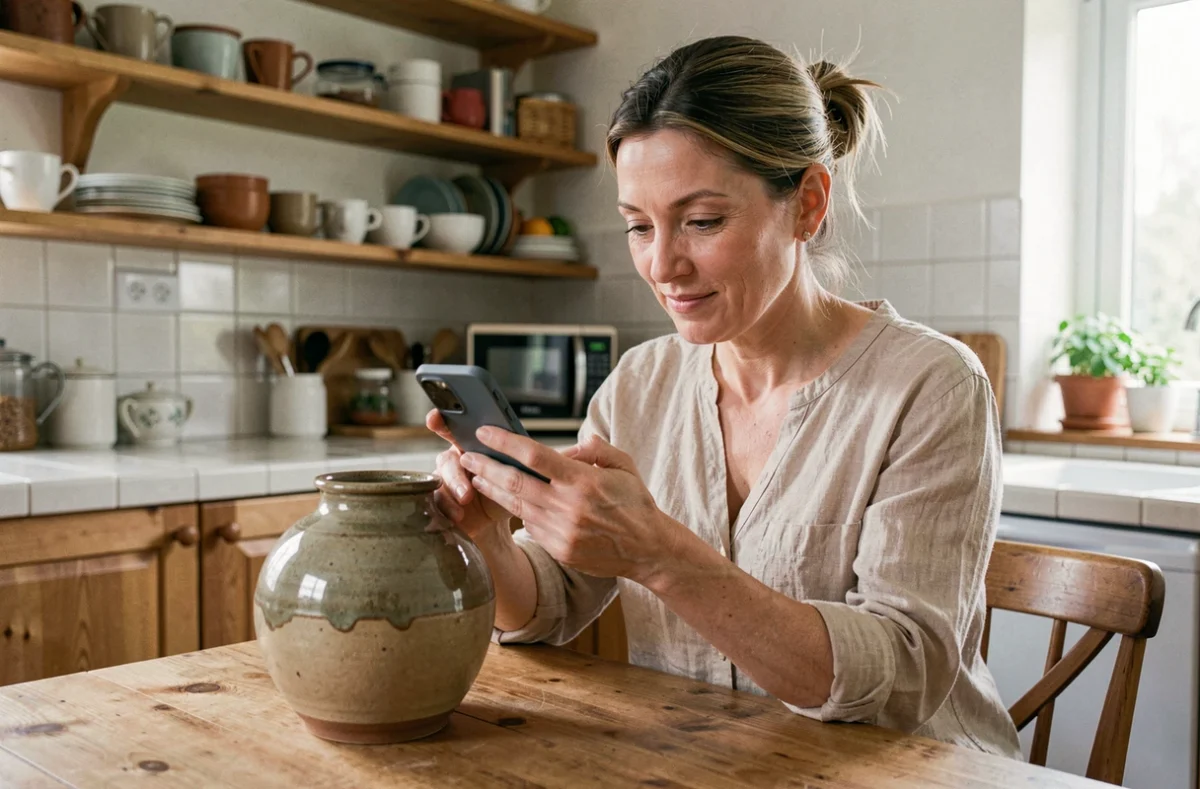
Selling a piece of furniture you no longer use or finding a second-hand bike just two streets away: online classifieds have made these exchanges commonplace. Being nearby makes logistics easier, eliminates delivery costs and lets you inspect the item before paying.
But it doesn’t solve everything. Buying locally from a private seller doesn’t automatically give you the same protections as buying from a business, and an in-person handover calls for just as much care as a postal delivery.
Seller status in a private-sale listing: what the law requires
When browsing online classifieds, you’ll see the label “private seller” on every profile. This isn’t just a setting someone can choose. If a person sells regularly, at a frequency or volume that resembles a commercial activity, claiming to be a private seller may constitute a misleading commercial practice.
The distinction has direct consequences for buyers. When buying from a business, consumer law provides a legal guarantee of conformity and a right of withdrawal. These protections don’t apply when buying from a genuine private seller. Before completing a transaction, it’s worth checking how many listings the seller has posted and how regularly they make sales.
For local listings from private sellers, https://www.annonces-france.eu is a useful resource, bringing together offers by geographic area.
This check takes just a few seconds and can help you avoid a complicated dispute. A seller posting dozens of listings in the same category every month is probably acting as a business, whatever their profile says.
In-person handover: how to arrange a safe exchange nearby
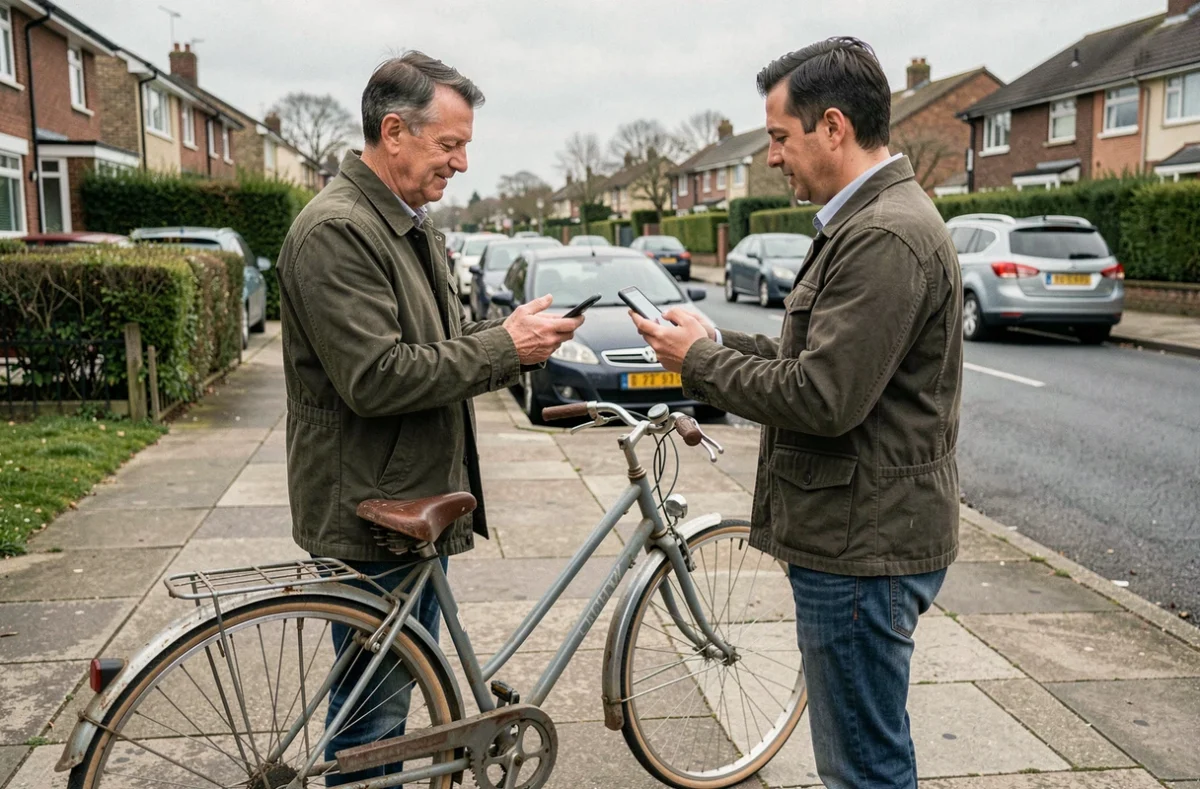
Being nearby can be reassuring, but it isn’t enough to make a sale safe. An item handed over in person that doesn’t match its description, a counterfeit banknote slipped into a bundle, or a seller who disappears after taking payment: these things can happen during face-to-face meetings too.
Choose a suitable place for the transaction
A supermarket car park in broad daylight, a train station concourse or the steps of a town hall offer three advantages: other people are around, security cameras are present, and you can leave without feeling pressured. Avoiding isolated places and late-night meetups is the first precaution, even for a low-value item.
For valuable goods (electronics, jewellery, musical instruments), some police stations offer secure transaction areas. This service is still not widely known, but it is becoming more common.
Check the item in person
Buying a phone? Turn it on, test the touchscreen and check that the IMEI number shown in the settings matches the one on the box. Buying an electric bike? Ask for the original receipt and check the serial number engraved on the frame.
- Compare the item with the listing photos and point out any differences before paying
- Test the main functions on the spot (power, brakes, locks, connections)
- Ask for any accessories, manuals or receipts mentioned in the listing
Checking an item in person is more reassuring than relying on a promise in a message. A genuine seller has no reason to refuse a quick test.
Keep proof of the transaction
A simple document signed by both parties is enough: a description of the item, the agreed price, the date, and both names and signatures. This document isn’t required, but it can be invaluable if a dispute arises.
For payment, an instant bank transfer or mobile payment app leaves a record. Cash is still common for small amounts, but for sums of more than a few hundred euros, a traceable payment method protects both parties.
Write a local listing that attracts serious buyers
You may have noticed that some listings receive dozens of messages within a few hours, while others go unanswered for weeks. The difference rarely comes down to price alone.
A specific title that includes the brand, model and condition attracts the right buyers. “Brown leather corner sofa, 220 cm, good condition” works better than “Sofa for sale”. The title acts as a filter: the more descriptive it is, the fewer unnecessary questions you’ll receive.

Photos do the rest. Three to five pictures taken in natural light, showing the item from different angles and highlighting any flaws, help build trust. Hiding a tear or cropping a photo to conceal a stain will always cause problems when it’s time to hand over the item.
- Include the neighbourhood or town (but not your exact address) so buyers can judge the distance
- Say when you’re available for an in-person handover: evenings, weekends or flexible hours
- Specify whether the price is firm or negotiable to avoid unnecessary back-and-forth
- Add the dimensions or weight of bulky items so buyers can plan how to transport them
Local sales and reuse: more than just a good deal
Selling an item locally is part of a wider movement. France’s AGEC law of 10 February 2020 established reuse and repurposing schemes, with dedicated funds in some sectors. Selling a working household appliance instead of throwing it away directly supports this approach.
Every item resold locally prevents waste and long-distance transport. The environmental benefit is no small matter: it motivates a growing number of buyers to look nearby first before ordering something new online.
For sellers, it’s also a way to agree on a fair price: the buyer can see the item and assess its condition, so any negotiation is based on the facts. No nasty surprises on delivery and no returns to deal with.
Buying or selling from private individuals nearby is one of the simplest transactions around. A public meeting place, a quick check of the item, a signed receipt and a traceable payment method turn an informal exchange into a reliable transaction. Being nearby makes everything easier, as long as you don’t mistake convenience for a guarantee.