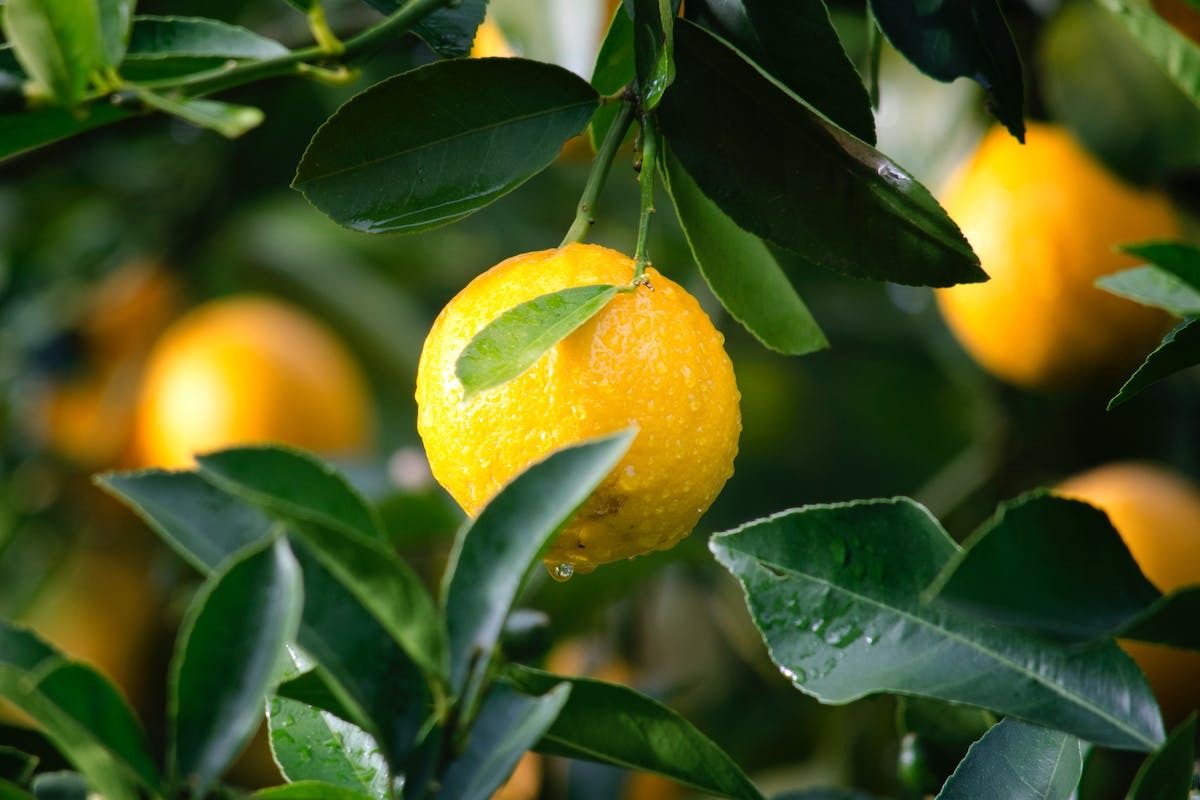
In the world of horticulture, taking care of a lemon tree can sometimes be a challenge. This fruit tree, loved for its tangy fruits and intoxicating fragrance, can suffer from diseases and nutritional deficiencies that affect the health of its leaves. Healthy leaves are essential for the growth and productivity of the tree. Many lemon tree owners wonder how to properly nourish and care for their tree to achieve lush, healthy leaves. It is to these essential questions that we turn our attention today.
A balanced diet to revive your lemon tree
When we talk about the term ‘yellowing lemon tree leaves’, it immediately evokes the specter of nutritional deficiencies. To restore the green lushness and health of your tree’s leaves, it is necessary to identify and correct these deficits.
Related reading : Business Advice: Optimize Your Management and Boost Your Growth
The first possible cause of ‘yellowing lemon tree leaves’ is a lack of nitrogen. This element contributes to the production of chlorophyll, which gives plants their characteristic green color. If you suspect a nitrogen deficiency, consider using a nitrogen-rich fertilizer or opt for a more natural method like compost or spreading freshly cut grass at the base of the lemon tree.
Another reason may be deficiencies in phosphorus and potassium. The former promotes root development while the latter strengthens the tree’s resistance to diseases and pests. It is therefore crucial that your soil provides enough of these two essential nutrients.
Read also : Ideas and Inspirations for Elegant and Trendy Interior Decoration
A common case of ‘yellowing lemon tree leaves’ often stems from a deficiency in trace elements such as iron, zinc, or magnesium, which are essential for its healthy growth. Regular use of a specific citrus fertilizer will certainly help rectify this problem.
Don’t forget that an unbalanced soil pH can hinder the proper absorption of nutrients by your lemon tree, leading to ‘yellowing leaves’. So always ensure to regularly test the pH and adjust it with the appropriate amendments if necessary.

Optimal health: address the nutritional deficiencies of your lemon tree
An essential aspect of caring for your lemon tree is protection against diseases and pests. An infestation can quickly damage your precious bright green leaves, thus compromising the overall health of the tree.
The first signs of a pest attack can be observed through a gradual decline in leaf vitality. It is therefore vital to be vigilant and adopt preventive measures to protect your lemon tree.
The first step is to ensure adequate hygiene around your tree. Regularly remove fallen organic debris, such as dead leaves or damaged fruits. These residues can harbor fungal spores or serve as a refuge for harmful insects.
Another effective tip is to apply organic mulch around the trunk of the lemon tree. This will reduce the risk of invasion by underground pests while maintaining balanced soil moisture.
The preventive use of natural insecticides can also play a key role in preserving the health of the lemon tree. Products based on vegetable oils or botanical extracts specifically formulated to target certain types of pests can be used according to their seasonal cycle to avoid any major infestation.
You should also monitor symptoms related to the main diseases that can affect your lemon tree. Root rot, gummosis, and lemon scab are some of the most common diseases.
Prevention remains the best way to combat these fungal diseases. Adequate soil drainage and the prompt removal of any affected wood or leaves can greatly reduce the risk of infection.
Keep an eye on the signals your lemon tree sends you • it is capable of defending itself when it is not healthy. Yellowing, wilting, or distorted leaves can be an early indicator of an underlying problem.
Caring for and nurturing your lemon tree therefore requires constant vigilance to ensure lush, healthy leaves all year round.
Preserve the vitality of your lemon tree by protecting it from diseases and pests
To maintain a favorable environment for the growth of your lemon tree, remember to take good care of it and also promote the health and development of citrus fruits.
Regular watering is also crucial to ensure optimal growth of your lemon tree. Be sure to use fertilizers specifically formulated for citrus and carefully follow the manufacturer’s instructions.
A regular pruning is also an essential gesture in the care of your lemon tree. It helps stimulate growth, remove dead or diseased branches, and maintain a harmonious shape for the tree.
Don’t forget that careful observation is a valuable tool for taking care of your lemon tree. Pay attention to the signals your tree sends you: yellowing leaves may indicate a nutrient deficiency, while slowed growth may be a sign of an underlying problem.
By following these essential actions, you will create a favorable environment for the optimal development of your lemon tree. With proper care, you will be able to enjoy a robust and lush tree offering bright green and healthy leaves all year round.
Essential actions to promote the growth of your lemon tree
Beyond regular maintenance, you must respect the prescribed doses to avoid any nutritional imbalance. The choice of potting mix used during planting or repotting is crucial to ensure an adequate supply of nutrients to the lemon tree. Opt for a well-draining substrate composed mainly of blonde or brown peat mixed with coarse sand or perlite. Let’s not forget the crucial importance of adequate sun exposure. The lemon tree is a light-hungry plant. Place it in a spot where it receives several hours of direct sunlight each day. However, be sure to protect it from strong winds and extreme temperatures, which can cause stress to the tree. By following these wise tips, you will provide your lemon tree with an environment conducive to its flourishing. Lush, perfectly healthy green leaves will then testify to the success of your attentive and diligent care.