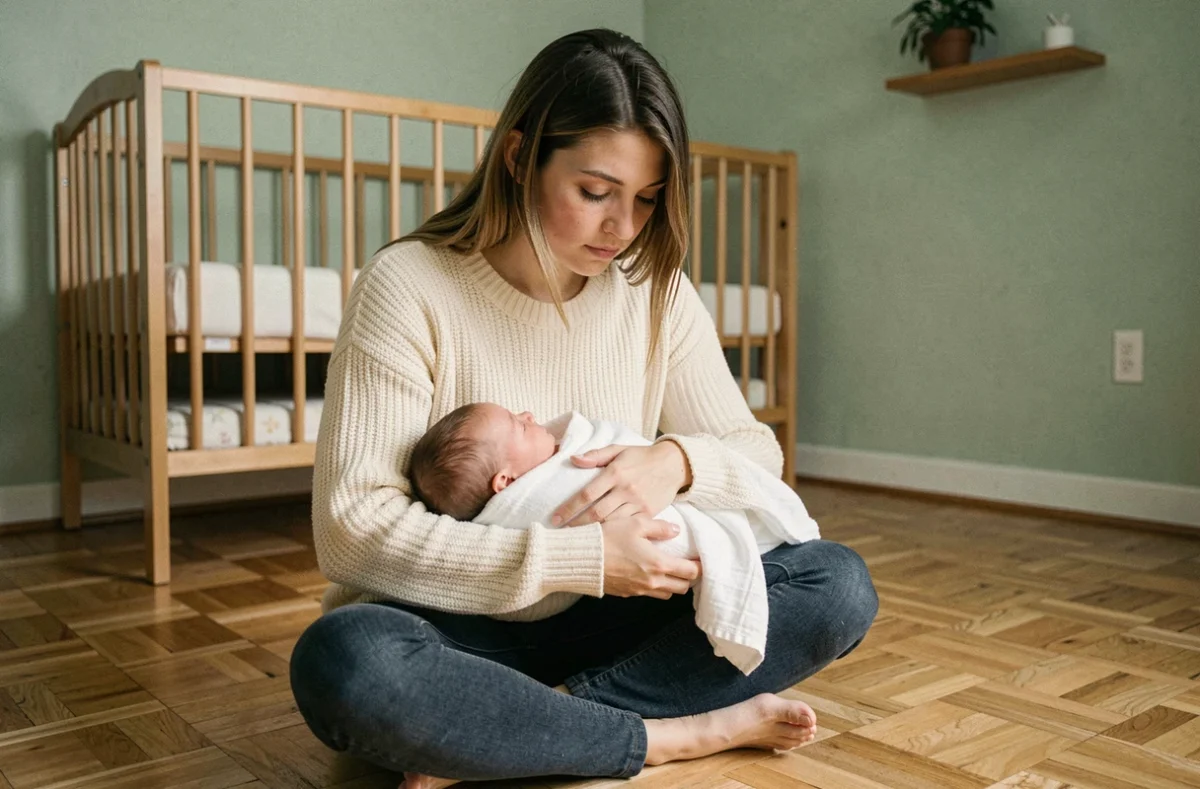
The prenatal massage offered by organizations like Bébé Bonheur is not a medical treatment. We regularly observe confusion between well-being support and therapeutic care, a misunderstanding that neither practitioners nor parents can afford to maintain. Understanding the exact nature of the services, their limits, and their conditions of practice allows for a real benefit from these services without creating inappropriate expectations.
Contraindications for prenatal massage: what the practitioner’s sheet should mention
A massage during pregnancy is not trivial. Recommendations from the American College of Obstetricians and Gynecologists remind us to inform the practitioner about the pregnancy and to prefer a side-lying position during the session. The classic prone position is excluded from the second trimester onward.
NHS Borders lists situations where massage should be postponed or subject to prior medical advice:
- Active skin infections or open wounds in the massage areas
- History of deep vein thrombosis or coagulation disorders
- Vaginal bleeding or obstetric complications requiring medical monitoring
- Fever or ongoing infectious state
We recommend checking if the provider displays an accessible list of contraindications before booking. The absence of this list is a weak but significant signal. By browsing the services offered by Bébé Bonheur, one can identify the various services, but the question of contraindications deserves to be asked directly to the practitioner.
Infant well-being massage: real benefits and documented limits
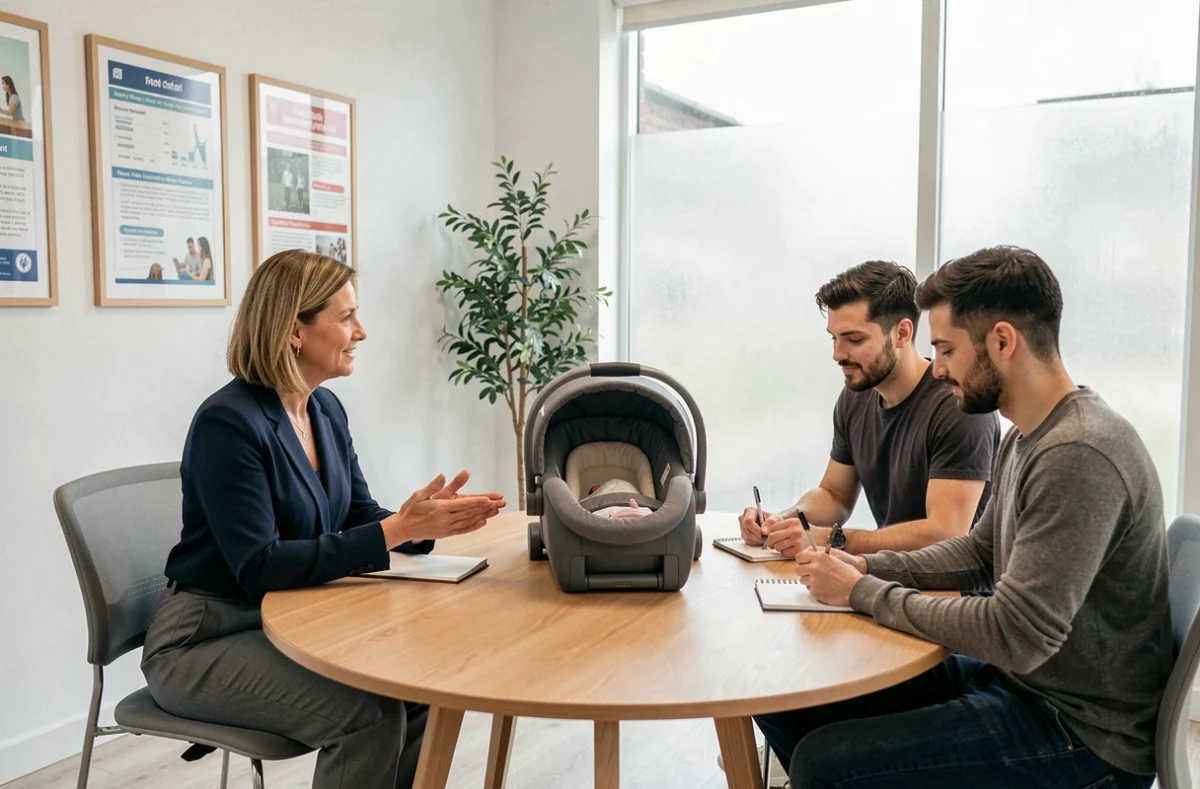
Infant massage is presented by many organizations as a tool for soothing and parent-child bonding. The observed benefits focus on temporary reduction of agitation and improvement of skin-to-skin contact. The available data does not allow us to assert a lasting effect on sleep disorders or colic.
Studies on infant massage show heterogeneous results. Some trials show modest gains in sleep duration, while others detect no significant difference compared to the control group. The main methodological issue remains the small sample sizes.
What parents can reasonably expect
A baby massage workshop teaches structured touch techniques. The parent learns to read their child’s comfort and discomfort signals. It is a learning of bodily communication, not a care protocol.
The main interest lies in the building of early attachment through touch. Group workshops add a dimension of support among parents going through the same life stage, which reduces postpartum isolation.
Postpartum parental support: distinguishing emotional support from clinical follow-up
The postpartum period concentrates difficulties that fall under very different categories: physiological fatigue due to lack of sleep, adjustment of family daily life, and sometimes mood disorders that require psychiatric or psychological care.
A parental support service like that offered by Bébé Bonheur addresses the first and second categories. It provides listening, practical advice on infant rhythms, and a space for parents to speak. This is not a substitute for follow-up by a midwife or perinatal psychologist.
Identifying signals that exceed the scope of well-being
Perinatal depression affects a significant proportion of women after childbirth. When a parent shows persistent signs of distress (daily crying beyond the second week, social withdrawal, difficulties in bonding with the baby), referral to a mental health professional is imperative.
We observe that the most rigorous perinatal well-being organizations integrate a referral protocol to the medical network into their operations. Asking if this protocol exists is part of the questions to be posed before committing.
Criteria for choosing a perinatal well-being provider
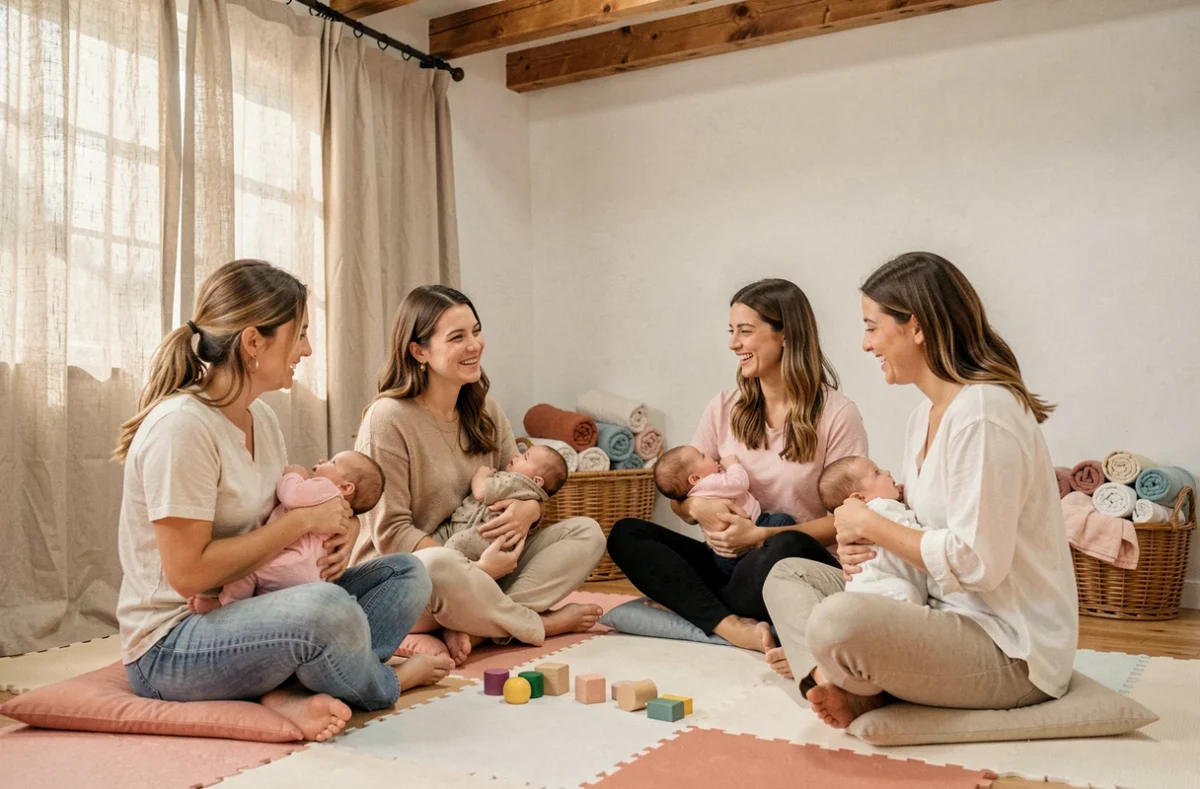
The parental support market does not have a unique accreditation or national label. The training of practitioners varies significantly: some come from paramedical backgrounds (midwives, physiotherapists), while others have undergone private training of very variable duration and content.
Before choosing an organization, we recommend checking several concrete points:
- The practitioner’s initial training and any certifications in perinatal massage
- The existence of professional liability insurance covering the practices performed
- The publication of a list of contraindications and a preliminary health questionnaire
- The ability to refer to a health professional in case of identified need
The price alone does not indicate quality. A prenatal massage session at home charged at market price can be excellent or inappropriate. Transparency about the practice framework takes precedence over pricing positioning.
Duration and format of sessions
At Bébé Bonheur, a prenatal massage session lasts about two hours, with one hour dedicated to the massage itself. This format allows for time to exchange before and after the treatment. Short workshops (less than forty-five minutes) rarely allow enough time to establish the necessary trust, especially during a first session.
Parental support gains coherence when it is part of a longer-term process rather than an isolated service. Follow-up over several sessions allows for adapting the techniques to the progression of the pregnancy or the changing needs of the infant over the weeks.
The choice of perinatal support relies on the clarity of the proposed framework. A provider that clearly distinguishes its well-being role from medical follow-up, that states its limits, and that integrates into a network of health professionals offers families reliable support to navigate the early months of parental life.