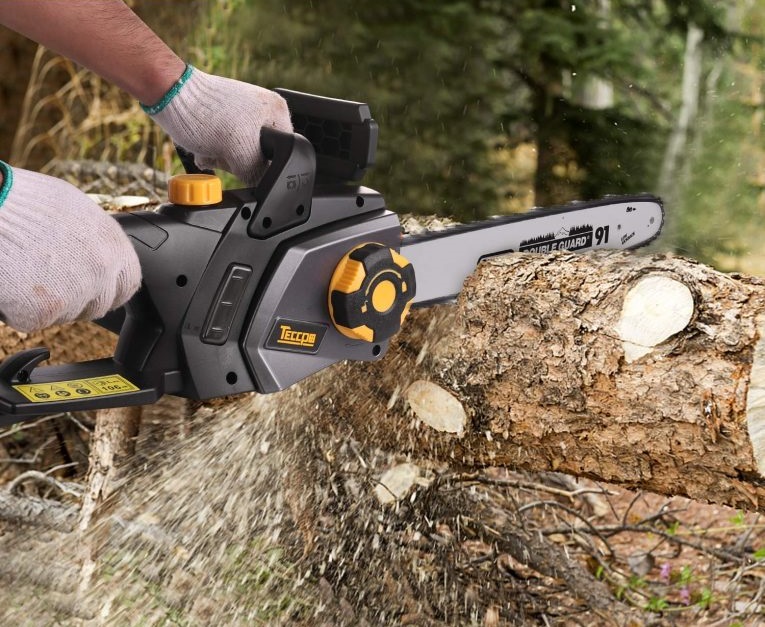
It is practically impossible today to do without a chainsaw, whether for felling trees or cutting. However, among the multitude of models available on the market, it is not easy to find your way. Discover in this buying guide practical tips for choosing the type and power of the chainsaw suited to your needs.
The different types of chainsaws
There are three main types of chainsaws: electric chainsaws, gas chainsaws, and battery-powered electric chainsaws. Each type has specific technical characteristics and features. The battery-powered electric chainsaw is economical and environmentally friendly as it operates on electrical power. Additionally, it is easy to maintain and has an instant start. Finally, this model of chainsaw produces little noise pollution. However, it is not very powerful and has a limited cutting capacity. The electric model, on the other hand, in addition to the qualities of the battery-powered model, is lightweight and easy to handle.
However, it should be noted that its use requires an electrical outlet and its power is limited. Gas chainsaw models have a very powerful engine and are characterized by excellent autonomy. They offer very good performance. However, they are very noisy and polluting. Their start-up requires a manual starter and their maintenance is costly. You will find more details about each type of chainsaw on the site https://www.tronconneuse.xyz.
Choosing a chainsaw based on motor power
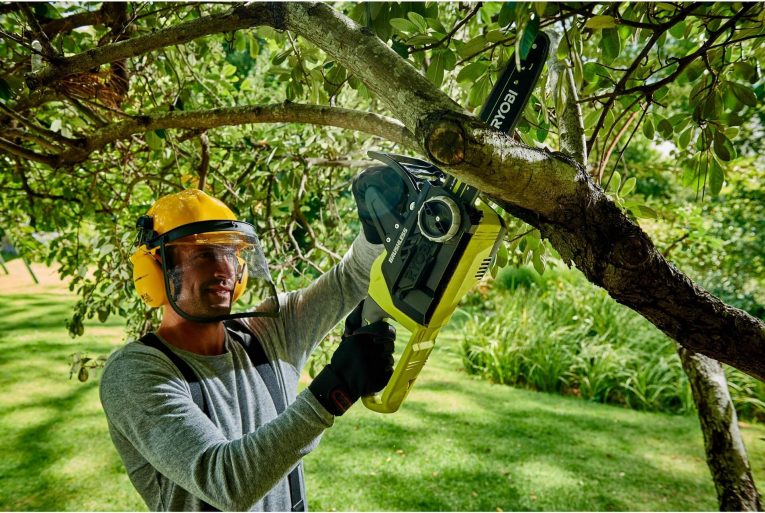
Power is a determining criterion in choosing a chainsaw. Generally, the more powerful your chainsaw is, the more intensive work you can perform. Entry-level models have a minimum power of 1800 W, while more advanced ones exceed 2500 W. For small felling or maintenance tasks, you can choose from 1800 W. However, for intensive and regular work, it is advisable to opt for a chainsaw with a power greater than 2500 W. Below 1800 W, the capacity for action is very limited.
The type of chain
To find the type of chainsaw you need, you should also consider the type of chain. Two elements characterize a chainsaw chain: the length of the guide bar and the speed of the chain. The selection of chain length varies depending on the type of work you wish to do. For felling and milling work, a guide bar length of 35 to 50 cm is required. However, for small occasional felling, a length of 30 cm is more than sufficient. The speed of the chain affects the cutting capacity of the machine. The higher its value, the more efficient and enduring the chainsaw is.
Additional options
The chainsaw is a delicate tool to use. Therefore, it should offer additional features that are designed to make its use more enjoyable. Among the many features, the most important include an ergonomic handle that facilitates grip. This also applies to the chain brake system, the chain tensioning system, the chain lubrication system, the integrated sharpening system, the starting aid, and the fuel indicator that helps keep the device free of wood particle deposits.
By following these tips, you will easily find the chainsaw that meets your needs.