
A stop light illuminating on the dashboard of a Clio 3 is never a mere detail. It’s the kind of signal that leaves no room for doubt or delay. This red warning light, much more than a luminous symbol, indicates a mechanical urgency that does not wait for the driver’s discretion.
Sometimes, the problem arises unexpectedly: a sudden drop in brake fluid level, an electronic alert that appears without apparent explanation. Other times, it’s a more insidious failure, a sensor that falters, an oil pressure that silently collapses. In all cases, reacting quickly is imperative. Taking the time to understand the origin limits the damage before it becomes irreversible.
What is the purpose of the stop light on the Clio 3 and why should you never ignore it?
On the Renault Clio 3, the STOP light does not just catch the eye: it asserts its authority. Located at the center of the dashboard, alongside other red lights, it delivers a clear message: a critical problem threatens the safety or mechanical integrity of the car. Unlike an orange warning light, here, there is no question of waiting or postponing; immediate stopping is required.
The consequences of ignoring such a warning are well known: engine failure, faulty braking, risk of accidents. The meaning of the stop light Clio 3 leaves no room for interpretation. The engine control unit constantly monitors essential parameters: oil pressure, temperature, and levels of brake fluid or coolant. As soon as an anomaly exceeds the tolerated threshold, the light comes on, supported by an OBD fault code.
Taking this signal seriously is a matter of common sense. No other light on the dashboard approaches this level of urgency. The only reflex to adopt: immobilize the car, seek the cause, and if in doubt, consult a professional. Waiting or tempting fate puts the safety of everyone on the road at risk.
Common causes behind the illumination of the stop light: what you need to know
The appearance of the stop light on a Renault Clio 3 is never a mere electronic whim. Several scenarios, all serious, explain this alarm.
Let’s start with the most common: the brake fluid level. A drop, often linked to a leak or advanced wear of the pads, immediately triggers the alert. Without sufficient fluid, braking becomes uncertain, even dangerous. Also to be monitored: the coolant level. If the engine overheats abnormally due to a lack of fluid, a worn radiator, or a stuck thermostat, the alert is often accompanied by the dedicated light.
Another point of vigilance: the engine oil pressure. A drop in pressure, often due to a low level or a failing pump, exposes the engine to rapid damage. The oil pressure sensor does not let anything pass and activates at the slightest anomaly.
On the electrical side, causes can also arise: blown fuses, faulty bulbs, or a malfunctioning sensor can sometimes generate misleading alerts, but they should be taken seriously. Finally, a handbrake not fully released or an associated sensor issue can be enough to trigger the light.
Here are the main elements to check when this light comes on:
- The brake fluid level and the presence of any leaks.
- The coolant level, as well as the condition of the system (radiator, hoses, thermostat).
- The pressure and level of engine oil, not forgetting the condition of the pressure sensor.
- The integrity of the electrical circuit: fuses, connections, dashboard lights.
- The proper functioning of the handbrake system and its sensors.
Methodically examining these points limits the risk of overlooking a serious cause.
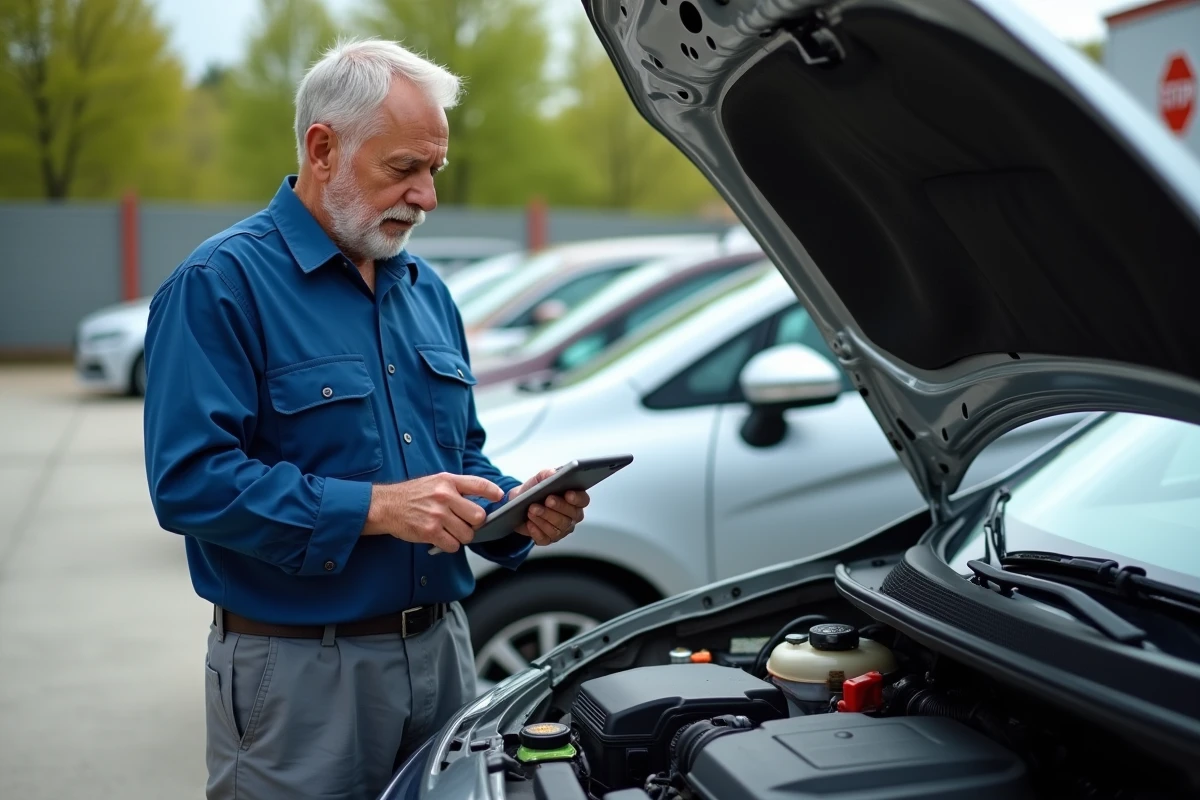
How to react effectively to an illuminated stop light: practical advice and solutions to adopt
As soon as a stop light appears on the dashboard of the Clio 3, the rule is clear: stop immediately. Find a safe place, turn off the engine. This immediate reaction protects the mechanics and the safety of everyone on board.
First reflex: check the fluid levels. Check the brake fluid, coolant, and engine oil. An insufficient level already points towards the cause. Be attentive to any signs of leakage under the vehicle or around the engine compartment. If the problem remains unclear, there is no question of continuing: modern mechanics does not tolerate approximation.
Diagnosis and intervention: key steps
For an effective reaction, here are the steps to follow:
- Equip yourself with an OBD diagnostic tool or an electronic scanner to retrieve the fault codes from the control unit.
- Contact a qualified professional or the Renault after-sales service if the origin of the problem remains uncertain or if the message persists.
- Do not resume driving until you have identified and resolved the reported anomaly.
The best prevention remains regular maintenance: monitor levels, inspect brakes, adhere to the maintenance schedule. Electronics today guide diagnostics and help avoid many disasters. On a Clio 3, technical vigilance is required at the slightest red signal. In the face of the stop light, there is no room for hesitation; every minute counts, and every responsible action prevents the worst. This is what distinguishes an attentive driver from a reckless motorist.