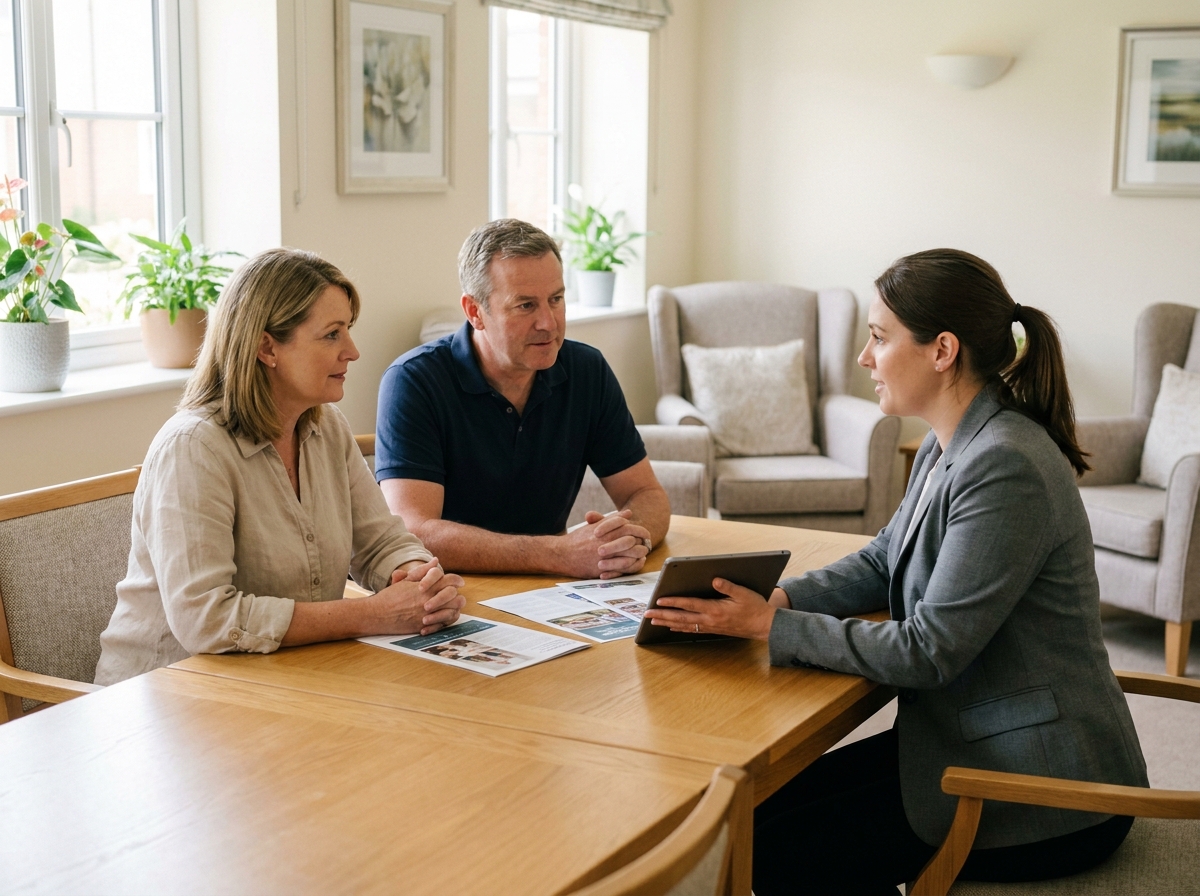
Choosing a nursing home in Cagnes-sur-Mer for an elderly relative often involves several family members, each with their own criteria, concerns, and schedules. The town has seven facilities for dependent elderly people, which offers a real choice but also complicates comparisons. Rather than multiplying urgent visits, structuring the process around measurable criteria and a family dialogue tool reduces tensions and speeds up decision-making.
Comparative grid of nursing homes in Cagnes-sur-Mer: criteria to cross-check before any visit
Families that contact several residences simultaneously quickly find themselves with disparate information that is difficult to compare. A summary table helps lay the groundwork for a factual discussion.
| Criterion | What to check | Why it’s discriminating |
|---|---|---|
| Dedicated Alzheimer unit | Existence of a protected unit, caregiver/resident ratio in this unit | Specific support for neuro-degenerative conditions changes daily quality of life |
| Size of living units | Number of residents per unit (15-20 or more than 30) | Smaller units promote closeness with the caregiving team and reduce disorientation |
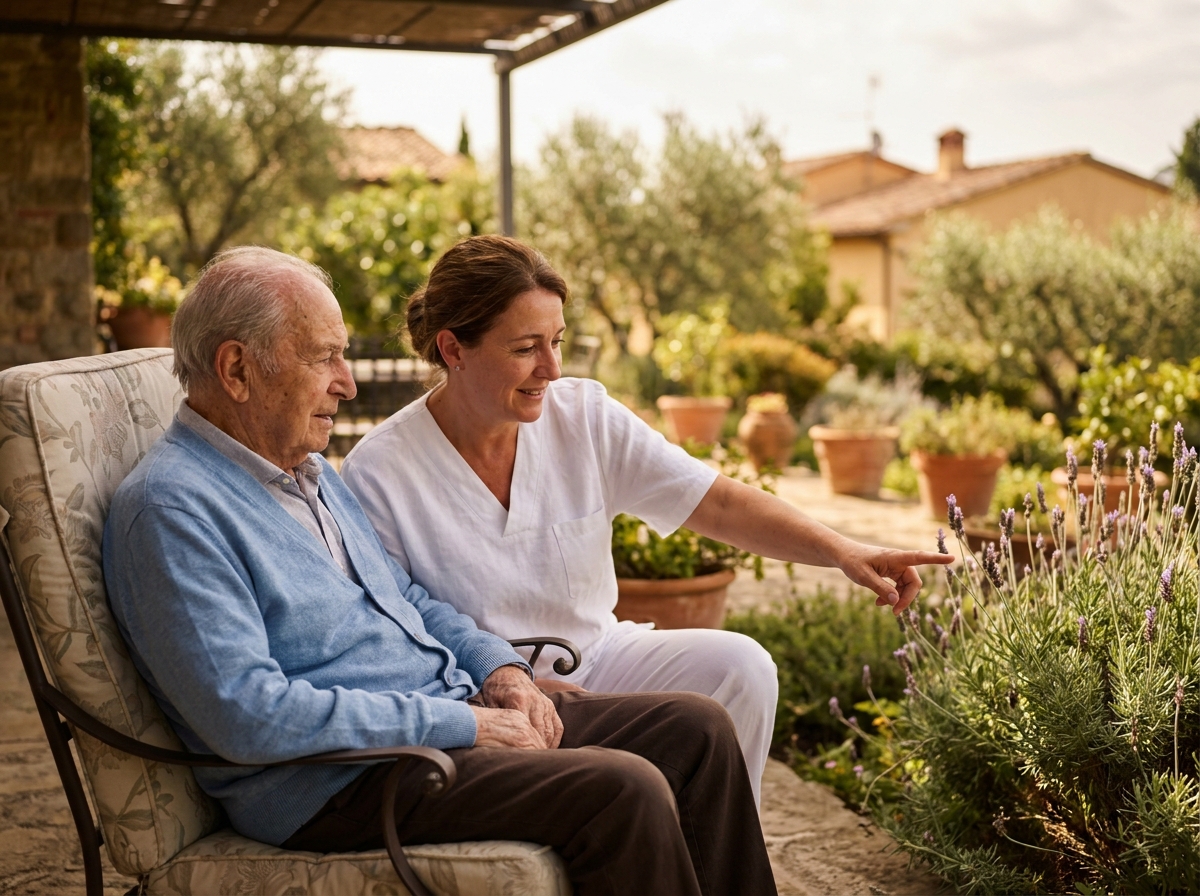
| Outdoor spaces | Accessible garden, secure terrace, walking paths | In Cagnes-sur-Mer, the climate allows for outdoor living for a large part of the year |
| Catering | On-site cooking or cold meals, menus adapted to diets | The quality of meals is the primary satisfaction criterion cited by residents |
| 360° virtual tour | Availability of an online tool to discover the places remotely | Allows distant relatives to participate in the choice without traveling |
| HAS certification | Latest certification report available for consultation | Only official indicator of the quality of care and organization |
This type of grid, filled out over the course of contacts with each establishment, transforms a subjective impression into comparable data. Several residences in the town, particularly those with green spaces and Alzheimer units, regularly stand out in family reviews.
To delve deeper into the issue of support for neuro-degenerative conditions, the support pathway offered by a nursing home in Cagnes-sur-Mer specializing in this deserves particular attention during your research.
The family logbook: a concrete tool to involve the senior in the decision
The family stress surrounding the choice of a nursing home rarely comes from a lack of information. It arises from the difficulty in aligning opinions, especially when the main person concerned – the senior – feels sidelined in the decision.
A family logbook is a shared document (paper or digital) in which each family member, including the elderly person, notes their observations, preferences, and hesitations at each stage of the process.
What an effective logbook contains
- A page for each visited or studied establishment, with notes from each on the atmosphere, welcome, brightness of the rooms, and quality of interactions with the staff
- A section dedicated to the senior’s priorities: proximity to a familiar place, presence of specific activities, possibility to maintain certain habits (meal times, pet, outings)
- A family synthesis space, filled out after each visit, which lists points of agreement and remaining differences
- A decision calendar with realistic deadlines to prevent the search from dragging on
This logbook does not eliminate disagreements, but it makes them visible and manageable. The elderly person who sees their remarks recorded in black and white retains a sense of control over their own life. Children who live far away can contribute remotely through the 360° virtual tours now offered by several residences in Cagnes-sur-Mer.
Involving the senior from the first search reduces the risk of refusal at the time of entry. Care teams confirm this: a resident who participated in the choice adapts more quickly to their new environment.
Waiting lists and anticipation: the realistic timeline for searching for a nursing home in the Alpes-Maritimes
The Alpes-Maritimes are experiencing a rising trend in waiting lists for nursing homes, amplified by the attractiveness of the coastline to retirees. Waiting for an emergency situation (hospitalization, fall, caregiver exhaustion) to start the process puts the family in a position where stress outweighs reflection.
Starting visits at least several months before the actual need changes the dynamic. The search becomes a planned family project, not a race against time.
Three actions to take even before the first visit
Consulting the official portal for-les-personnes-agees.gouv.fr allows you to identify the seven nursing homes in Cagnes-sur-Mer with their accommodation rates and remaining costs. This public comparator remains the most reliable starting point.
Contacting the CLIC (Local Information and Coordination Center) of the Alpes-Maritimes provides access to free and personalized support. The CLIC helps to prepare the administrative file in advance, which avoids back-and-forth once the establishment is chosen.
Requesting a meeting with the coordinating doctor of each pre-selected residence allows for assessing the compatibility between the senior’s medical needs and the establishment’s capabilities, particularly for neuro-degenerative conditions like Alzheimer.
Quality of welcome and human scale: what makes the difference in a medicalized residence
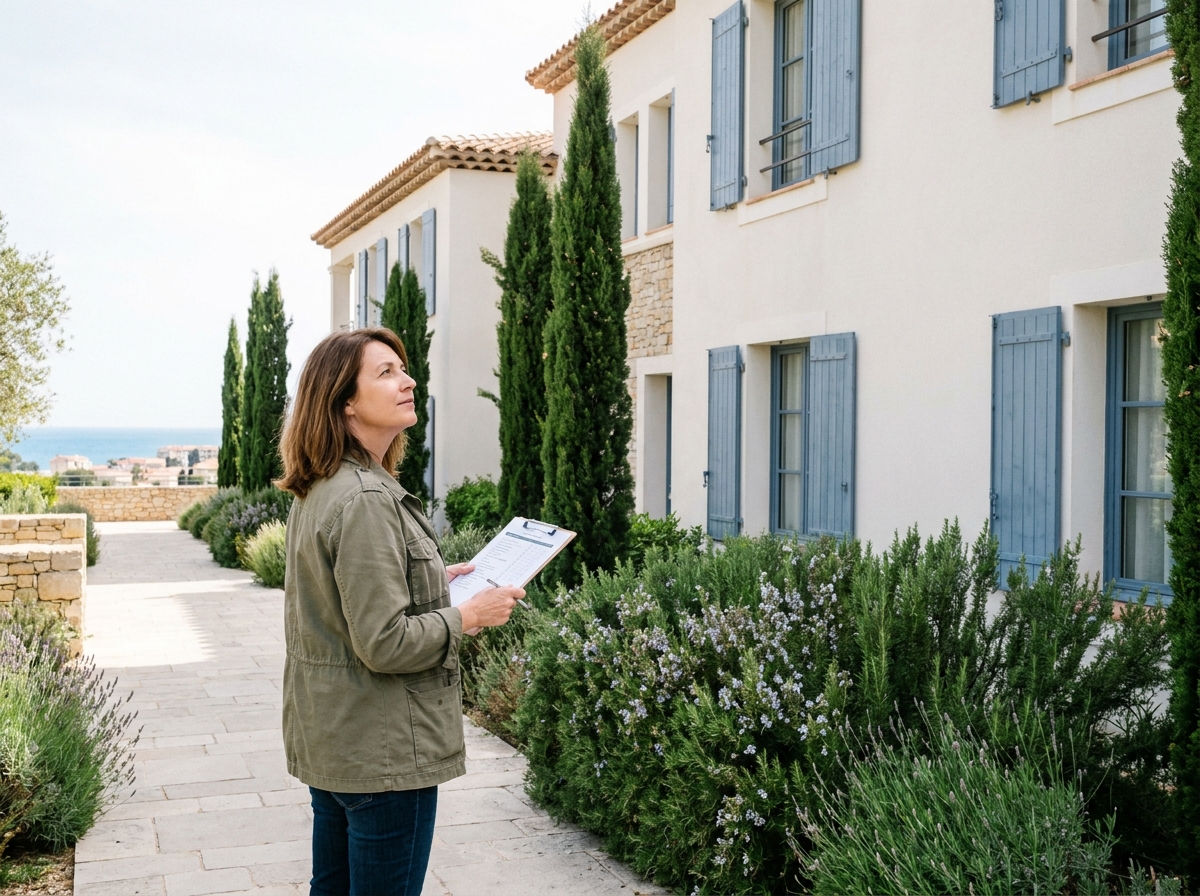
Beyond administrative criteria, quality of life in a nursing home is measured by details that only a careful visit reveals: the way staff addresses residents, flexibility of schedules, the possibility to personalize one’s room.
Establishments organized into small living units offer more individualized support. With about fifteen residents per unit, caregivers know the habits, preferences, and history of each person. This closeness limits anxiety-inducing situations, especially for residents with cognitive disorders.
Some private health groups have made this organization their model. LNA Santé, a French group with family governance, structures its nursing homes around small living units accommodating fifteen to twenty residents. Its mission, “To care and take care,” translates into strong medicalization combined with quality hospitality and architecture designed for well-being.
The group, certified by the Haute Autorité de Santé, is present throughout the territory and operates in nursing homes as well as in follow-up care and rehabilitation or home hospitalization. For families seeking personalized support for neuro-degenerative conditions, this type of positioning deserves to be studied.
The search for a nursing home in Cagnes-sur-Mer benefits from being treated as a structured project, not as an urgent necessity. A shared logbook, early visits, and a grid of measurable criteria transform a source of family tension into a collaborative process. The senior who actively participates in choosing their residence enters with a different perspective, and the family retains the necessary serenity to support them over time.