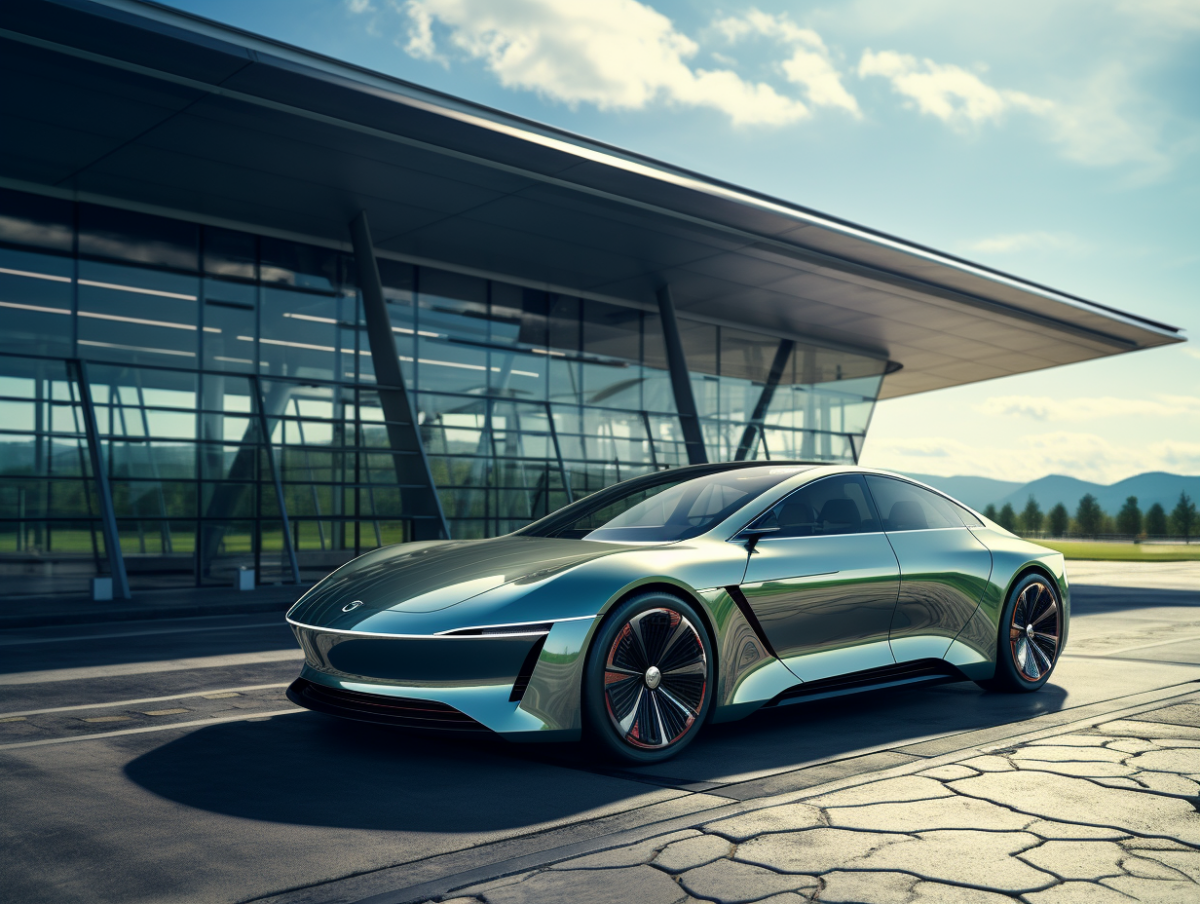
The automotive industry is at a historic turning point, facing unprecedented challenges while discovering new opportunities. Technological innovations, such as vehicle electrification, autonomous driving, and the integration of artificial intelligence, are redefining the contours of mobility. At the same time, ecological imperatives demand a drastic revision of production processes and finished products. Manufacturers must also respond to changes in consumer behavior, where vehicle ownership gives way to shared usage models. This dynamic environment paves the way for a profound transformation of the automobile.
The challenges of the energy transition in the automotive industry
Energy transition: The French automotive market is part of a transformative dynamic, with the rise of clean vehicles, including electric, hybrid, and LPG vehicles. These ecological alternatives to traditional thermal vehicles are a response to environmental challenges, marked by the reduction of carbon footprint. The transition to these greener technologies represents a significant challenge for manufacturers, who must realign their production lines while maintaining competitiveness.
In the face of increasingly strict regulations on pollutant emissions, hybrid and plug-in hybrid vehicles offer an intermediate solution, combining the advantages of electric and thermal engines. The French automotive industry, a major sector of the economy, has no choice but to adapt to these new requirements while continuing to innovate to stay at the forefront. Entities like MI Blog closely monitor these developments, analyzing trends and strategies adopted by industry players.
Autonomous and shared vehicles are becoming essential components of tomorrow’s mobility landscape. The automotive sector is moving away from mere vehicle production to invest in comprehensive mobility solutions, responding to a growing demand for innovative and environmentally friendly services. Manufacturers must thus combine technological mastery with forward-looking vision to shape the future of the automobile.

The opportunities of technological innovation and future mobility
Technological innovation in the automotive industry opens up a wide array of possibilities, especially with the advent of connected cars. These vehicles, true technological marvels, revolutionize the driving experience through the integration of Internet-driven services and applications. Automotive manufacturers, in collaboration with suppliers, are doubling their efforts to integrate these technological advancements, positioning France as a leader in the field. Research and development, the cornerstones of this progress, benefit from substantial investments to meet the demands of a global automotive market in constant evolution.
Industry players, such as automakers and suppliers, are making significant efforts to adapt their offerings to new demands. The production of electric cars, in particular, is experiencing significant growth, driven by an increasing demand for vehicles with a more favorable ecological footprint. Automotive distributors play a crucial role in marketing, ensuring the transition of innovations from auto shows to consumers’ garages.
The automotive services sector is transforming, driven by this wave of modernization. Maintenance and repair activities are evolving to adapt to the new features of hybrid and electric vehicles, while the distribution of parts and equipment must align with emerging technologies. This evolving landscape promises substantial advances in safety, comfort, and efficiency, shaping tomorrow’s mobility in a context marked by sustainability and interconnectivity.