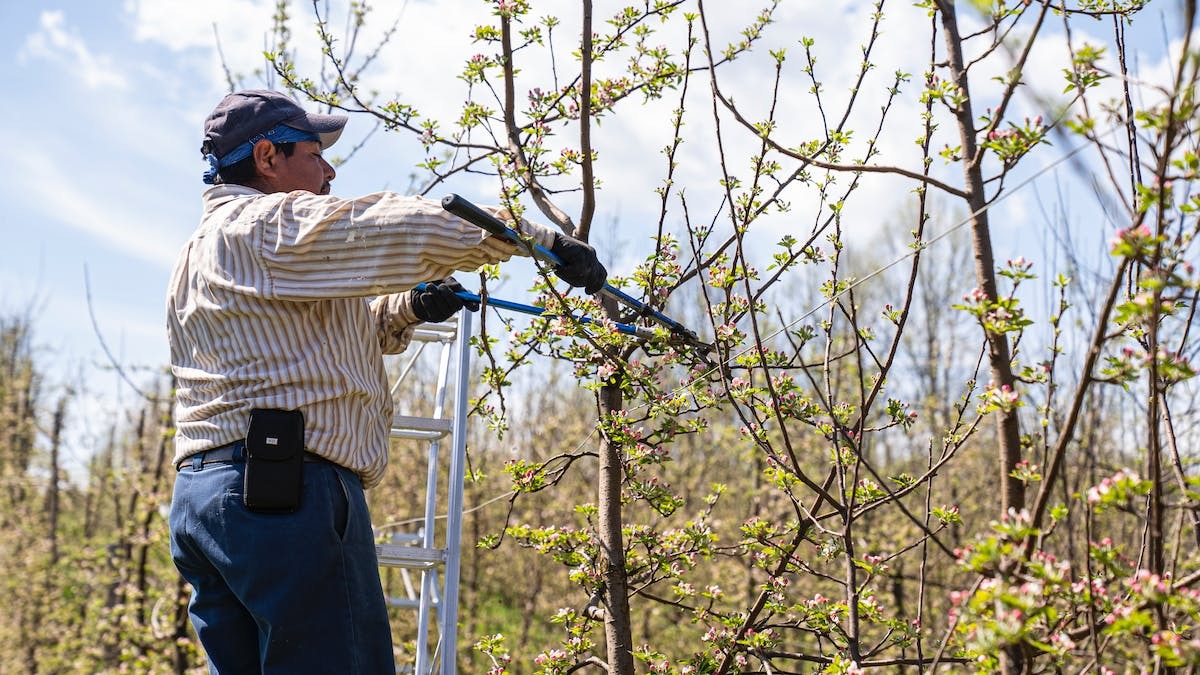
Growing your own garden is a passion for many. Among horticultural traditions, propagating fruit trees is a delicate yet rewarding art. This process allows you to create an exact replica of the mother tree, thus preserving all its qualities. But how do you successfully propagate a fruit tree? What tips should you know to increase your chances of success? The time of year, the choice of the cutting to propagate, soil preparation, watering—all of it matters. Here is a wealth of information and recommendations for gardeners eager to embark on this adventure.
Grow Your Own Fruits: The Art of Fruit Trees
Fruit trees offer a fantastic opportunity to grow your own delicious and flavorful fruits. Among these fruit trees, the mirabelle plum tree is a popular choice due to the delicacy of its sweet fruits. Propagating a mirabelle plum tree cutting may seem complex, but with the right techniques, you can achieve exceptional results.
The first step in propagating a mirabelle plum tree cutting is to carefully select a healthy and vigorous branch from the mother tree. Choose a branch about 20 centimeters long with three or four well-formed nodes.
Before proceeding with the cutting, make sure you have all the necessary materials at hand. You will need a sharp and clean knife to cut the branch, as well as a rooting hormone that will promote root formation.
Once your materials are ready, remove all the leaves from the lower part of the branch so that only the top two or three leaves remain intact.
Mastering Propagation: Secrets of Different Techniques
To propagate the mirabelle plum tree, there are different techniques that can be used. The first technique is the misting cutting, also known as greenhouse cutting. This method involves placing the cutting in a humid and warm environment to encourage rooting.
Another commonly used technique is the semi-woody cutting. This method involves taking a branch that is still flexible but already slightly woody from the mother tree. Be sure to cut this branch precisely, at an angle, to facilitate water and nutrient absorption.
The layering cutting can also be considered for reproducing the mirabelle plum tree. In this technique, a low branch of the tree is bent toward the ground and buried in a shallow hole previously dug. After a few months, roots develop at the burial point, allowing for the creation of a new independent plant.
There is also the possibility of making cuttings from the suckers or shoots formed around the base of the mirabelle plum tree. These new shoots are extracted directly with their roots before being individually transplanted into a pot containing suitable substrate.
Whatever technique you choose to propagate your mirabelle plum tree cuttings, certain factors remain essential to optimize your chances of success:
• Always ensure a clean and sterile environment to limit the risk of infection.
• The use of a rooting hormone can greatly improve the success rate by stimulating root formation.
There are different propagation techniques to reproduce your mirabelle plum tree. Each has its advantages and specifics, but they all share the potential to allow you to grow a new fruit plant from a simple cutting.
Propagate at the Right Time: Key to Success
When it comes to propagating fruit trees, choosing the right time is essential to ensure optimal success. Each species has its own requirements in terms of favorable propagation period.
For stone fruit trees such as cherry or plum trees, the best time to take cuttings is generally between July and September. During this time of year, the wood is mature enough to facilitate the rooting of cuttings.
In contrast, for pome fruit trees like apple or pear trees, it is preferable to operate in early spring when the sap begins to circulate actively in the tree. This promotes rapid root formation and allows young plants to establish well before winter.
Prepare Yourself: Essential Materials for Your Cuttings
When you want to propagate fruit trees, it is crucial to have the right materials to maximize your chances of success. Here is a comprehensive list of what you will need:
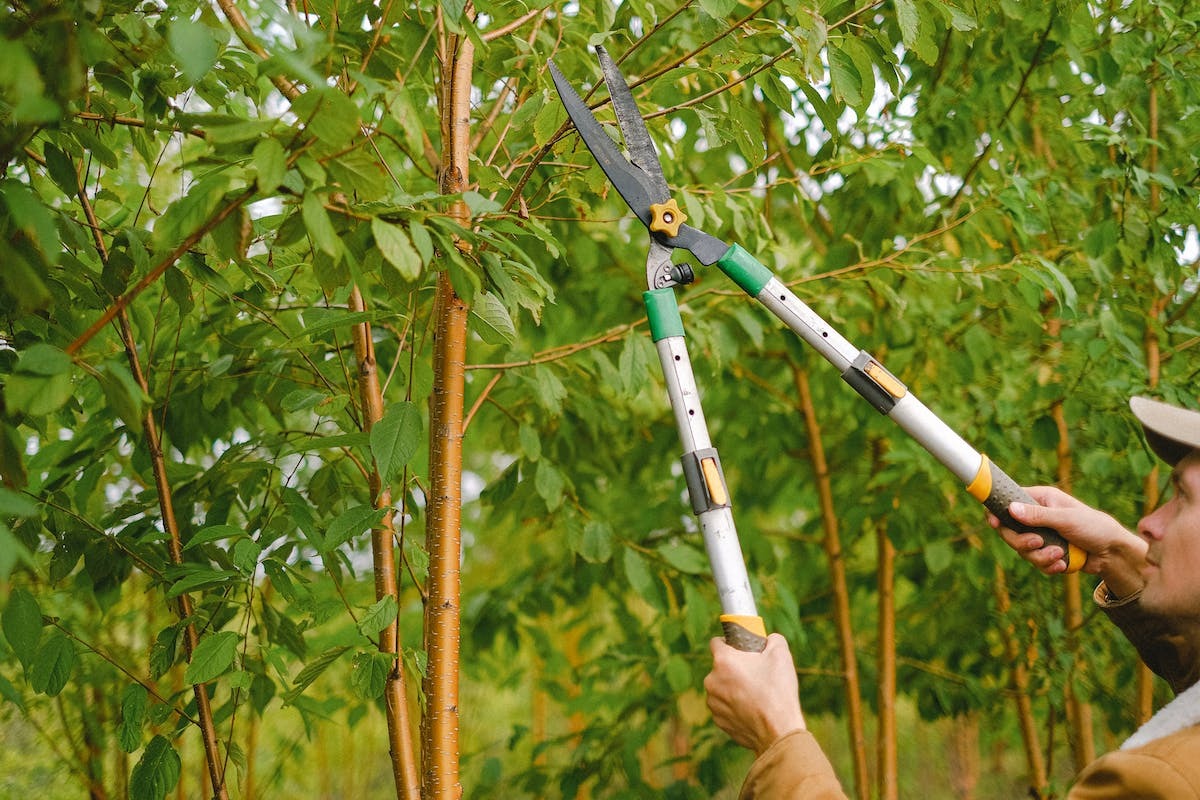
Sharp pruning shears: to take cuttings precisely and avoid damaging the wood.
A grafting knife: essential for making clean incisions on the stems or mother branches, thus promoting rapid root formation.
Sterile absorbent paper: used to gently wrap the cut ends of the cuttings to prevent excessive drying.
A rooting gel: this plant auxiliary stimulates root growth and thus promotes faster rooting of cuttings.
Special propagation soil: a light and well-drained substrate is essential to promote the healthy development of young plants.
Small individual pots or transparent plastic cups: they provide an ideal protective environment for young shoots while allowing easy observation of their progress.
A greenhouse or a heated mini-greenhouse: this equipment provides an optimal microclimate for seedlings, thus promoting their harmonious growth.
Tips for Optimal Growth of Fruit Cuttings
Once you are equipped with the necessary materials, it’s time to move on to tips to encourage the growth of cuttings. Here are some valuable pieces of advice:
Choose the right times: the success of cuttings largely depends on when they are taken. Generally, autumn and spring are the favorable seasons for this practice. Avoid the intense summer heat that can compromise the establishment of young plants.
Favor semi-woody cuttings: these present an ideal balance between hard wood and tender green, which facilitates rooting. Select healthy branches, neither too young nor too old, with a diameter of about 5 to 10 mm.
Make a clean cut: use your sharp pruning shears or grafting knife to take cuttings precisely. Make a clean incision at an angle just below a node and remove all leaves from the lower part of the stem.
Apply the rooting gel: after cutting your cuttings, dip them directly into this natural stimulant to promote their rapid root development.
Place your cuttings in a suitable substrate: fill your small individual pots or cups with specialized propagation soil to provide a conducive environment for root development.
Maintain consistent moisture but avoid excess water: water regularly without drowning the cuttings. A slightly moist substrate is preferable to prevent stem rot.
Create an optimal microclimate: place your pots in a greenhouse or heated mini-greenhouse to maintain a stable ambient temperature and ensure good protection against climatic variations.
Be patient and monitor closely: the growth of cuttings can take several weeks or even a few months before you can observe the first signs of success. Regularly check the condition of the substrate, moisture, and gently remove any leaves or branches in poor condition.
By following these tips, you will significantly increase your chances of success when propagating fruit trees.
Avoid Mistakes: Valuable Tips for Propagating Fruit Trees
When you embark on propagating fruit trees, you must cut with perfectly clean and sharp tools to achieve neat and precise cuts. Poor sharpening can lead to injuries on the stems, which could slow down or even prevent their rooting.
Be sure to choose the right varieties of fruit trees for your cuttings. It is recommended to select healthy and vigorous species, without obvious signs of disease or pests. Also, avoid branches that are too weak or deformed, which may lead to the production of weak and unproductive plants.
Do not make the common mistake of taking too many or too few leaves during the propagation process. An excessive amount of foliage can lead to excessive water loss through transpiration, while a total or insufficient absence can affect the photosynthesis necessary for the growth of young seedlings.
Do not expose your cuttings directly to sunlight during the first weeks after they are taken. This could cause rapid drying before the roots have had time to develop. Prefer dappled light exposure or place them in partial shade to protect them.
Fifth, avoid excessively handling your cuttings after planting. Young stems are fragile and can easily be damaged if you move or touch them too often. Give them time to root without unnecessary disturbances.
The last mistake to avoid: not taking into account the specific needs of each fruit tree species during propagation. Some varieties may require particular conditions, such as higher humidity or a constant temperature. Research the specific requirements of each type of tree before starting the process.
By avoiding these common mistakes when propagating fruit trees, you will significantly increase your chances of success and thus obtain vigorous and productive plants. Pay attention to details, be patient, and persistent in your approach to achieve rewarding results.